Editor Team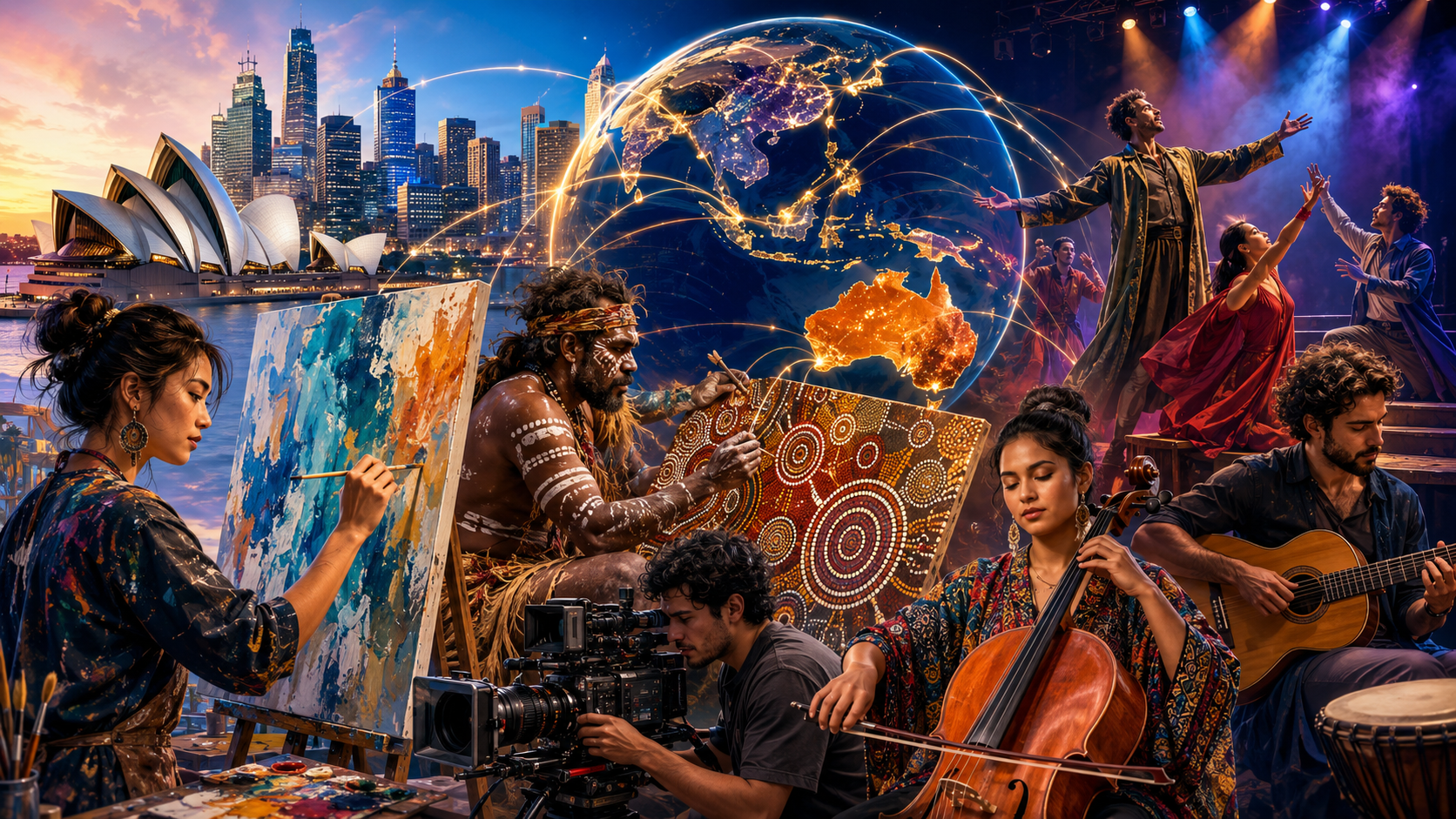
Australian theatre has evolved into a dynamic and diverse performance landscape that reflects the country’s multicultural identity and social concerns. Its early development was influenced by British theatrical traditions brought during colonization, with performances initially staged for settler communities.
By the 20th century, Australia began developing its own theatrical voice. Playwrights like Patrick White, the country’s first Nobel Prize-winning author, helped establish serious dramatic literature rooted in Australian settings and psychological depth. Later, playwrights such as David Williamson introduced satirical and socially aware works that examined Australian politics, family life, and cultural identity.
Modern Australian theatre is known for its experimentation and inclusivity. Major companies such as the Sydney Theatre Company and Melbourne Theatre Company regularly stage both classical works and new Australian writing. Independent theatre groups also contribute significantly by exploring unconventional storytelling methods and intimate performance spaces.
A defining characteristic of Australian theatre today is its engagement with Indigenous stories and multicultural experiences. Productions often incorporate First Nations narratives, immigrant perspectives, and bilingual performances, reflecting the country’s evolving demographic landscape.
Festivals such as the Adelaide Festival and Melbourne International Arts Festival showcase theatre alongside dance and multimedia performance, reinforcing Australia’s reputation as a hub for innovative performing arts.
Australian theatre continues to balance tradition and experimentation, maintaining a strong local identity while participating in global theatrical trends.