Editor Team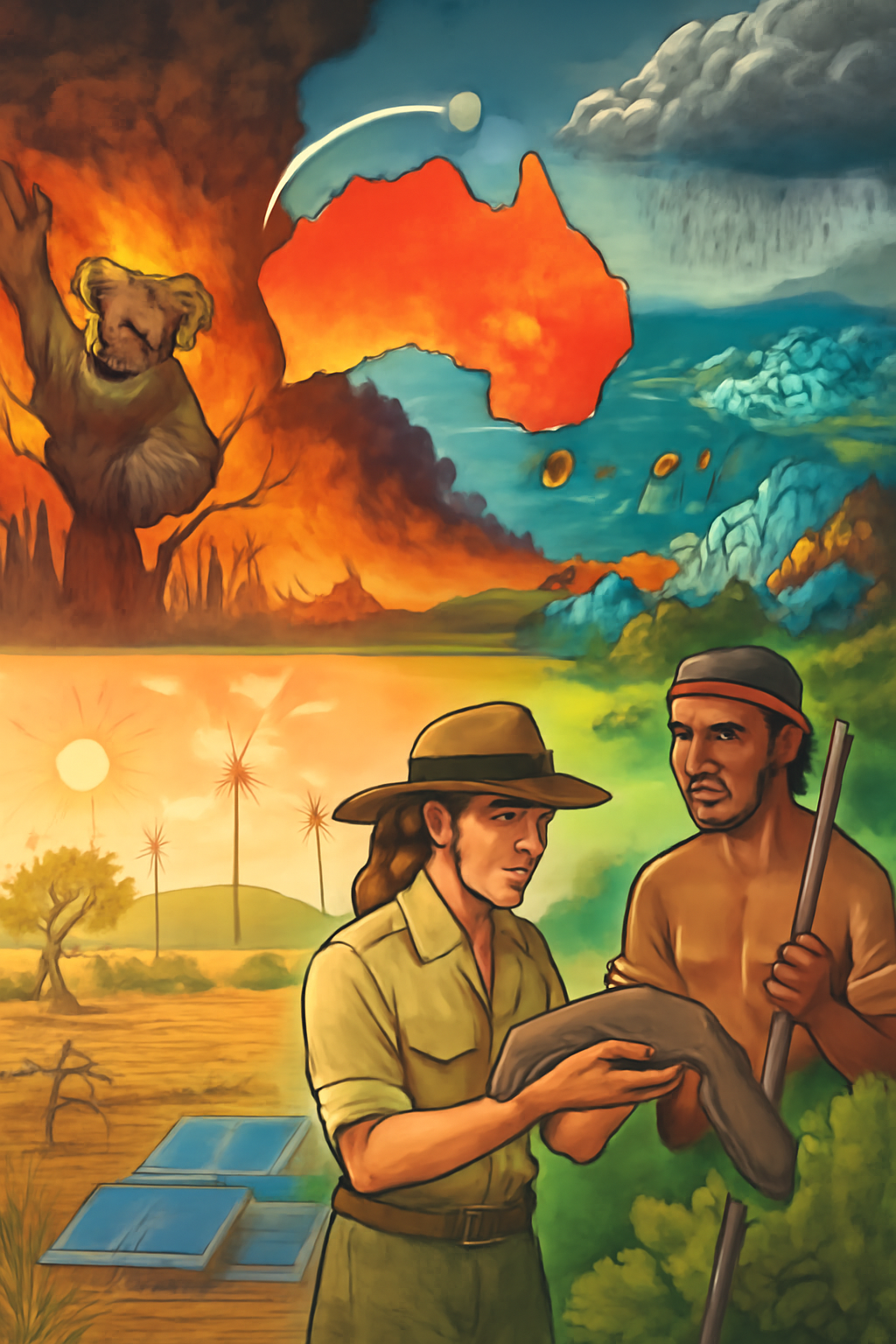
Australia’s environmental landscape is undergoing rapid transformation due to the increasing impacts of climate change. The nation, known for its unique biodiversity and pristine natural landscapes, is facing numerous environmental challenges that threaten both its ecosystems and its way of life. Among the most urgent issues is the acceleration of climate change, which is causing significant disruption to Australia’s natural and built environments.
A central issue in this transformation is the intensification of extreme weather events. In recent years, Australia has experienced an alarming rise in the frequency and severity of bushfires, which have devastated forests, wildlife, and communities. The 2019-2020 bushfire season was particularly catastrophic, burning millions of hectares of land and killing an estimated 3 billion animals. Climate change is directly linked to these fires, as rising temperatures and prolonged droughts create the perfect conditions for wildfires to spread uncontrollably. This has underscored the urgent need for action to mitigate climate change’s effects.
Droughts are another key aspect of Australia’s changing climate. As global temperatures rise, many regions of Australia have seen a reduction in rainfall, leading to water shortages that affect agriculture, drinking water supplies, and the country’s overall water security. In agricultural zones, farmers are struggling with water scarcity, which leads to lower crop yields and economic instability in rural areas. The situation is compounded by soil degradation and salinity, which diminish the country’s agricultural capacity.
Australia’s iconic Great Barrier Reef, one of the world’s largest coral reef systems, is also under threat. Rising sea temperatures are causing coral bleaching, a phenomenon where corals expel the algae living within them, leading to the collapse of entire reef ecosystems. This not only threatens marine biodiversity but also has profound economic implications for the tourism industry, which relies heavily on the reef as a major attraction.
In response to these challenges, Australia has ramped up its conservation efforts and climate change mitigation strategies. The country is actively working toward reducing its greenhouse gas emissions by transitioning to renewable energy sources like wind and solar power. The Australian government has also committed to international climate agreements, such as the Paris Agreement, in which the country has pledged to limit global temperature rise.
Conservation efforts within Australia focus on protecting vulnerable species, restoring degraded ecosystems, and managing natural resources sustainably. For instance, the creation of protected areas and national parks helps safeguard biodiversity from the pressures of urbanization and agriculture. Additionally, government-funded projects aim to rehabilitate forests, wetlands, and coastal ecosystems, which are increasingly affected by climate change.
One significant initiative is the integration of Indigenous land management practices into contemporary conservation efforts. Indigenous Australians have long practiced sustainable land and fire management techniques, which are now being recognized for their value in maintaining ecosystem health. Collaborative efforts between Indigenous communities and conservation organizations aim to reduce the intensity of bushfires and restore balance to ecosystems.
On a policy level, Australia’s climate and conservation strategies are also focusing on economic incentives to support sustainable agriculture and forestry. The government is encouraging the adoption of more eco-friendly practices and the reduction of emissions from sectors such as transportation and industry. Additionally, discussions around carbon pricing, emissions reduction targets, and green technologies are at the forefront of political debate as Australia seeks to transition to a low-carbon economy.
With its natural beauty and diverse ecosystems, Australia’s future depends on addressing the twin challenges of climate change and environmental conservation. The need for collaborative efforts across all sectors of society is essential to protect the country’s environment for future generations.