Editor Team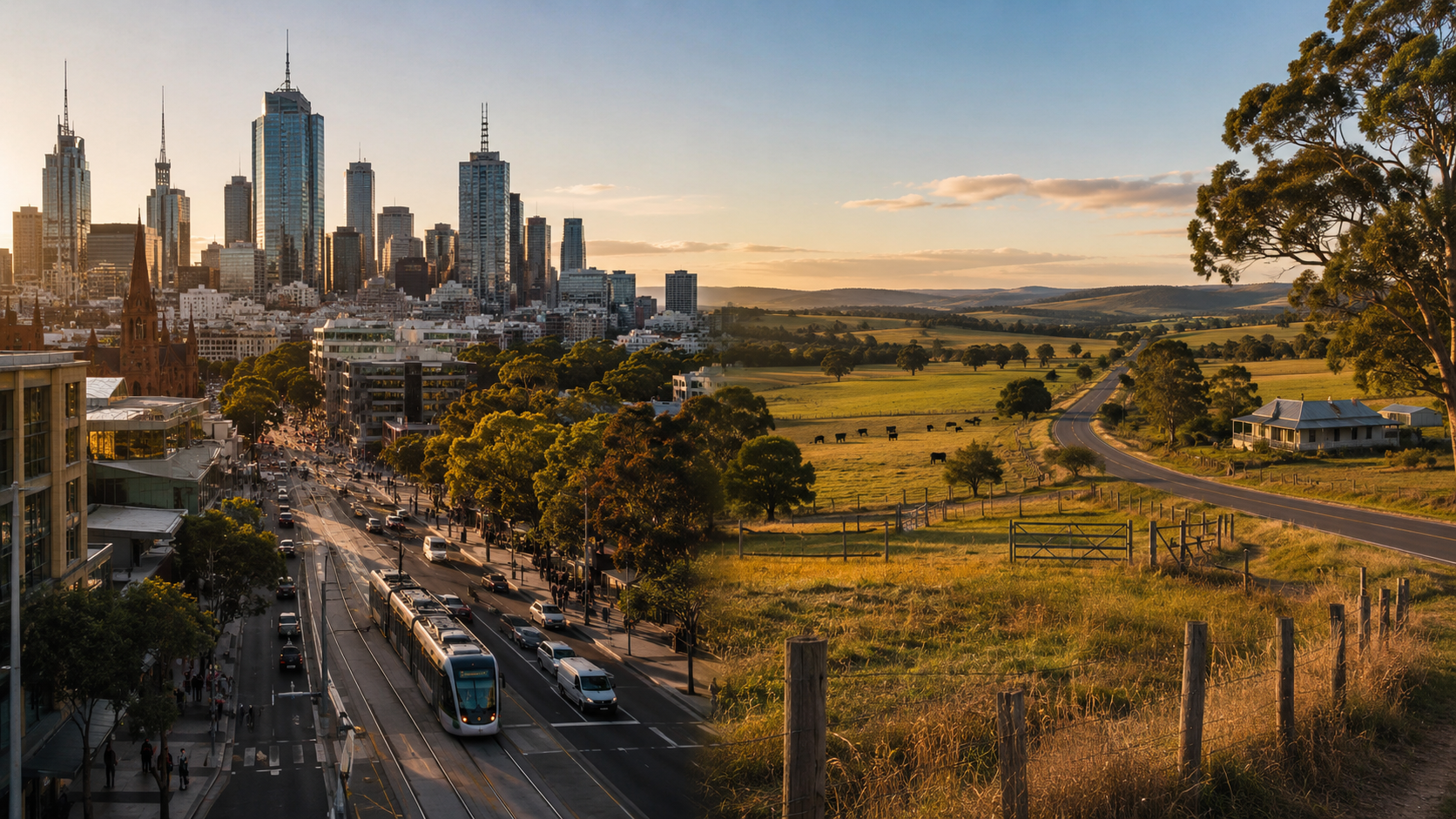
Australia’s lifestyle is often imagined through beaches, open roads, modern cities, and wide rural landscapes. In reality, the experience of living in Australia changes greatly depending on whether someone lives in a major city or a rural area. Urban and rural communities differ in pace, opportunity, cost, environment, and social interaction. These differences influence how Australians work, travel, raise families, spend free time, and connect with others.
Urban Australia is built around accessibility. In cities such as Sydney, Melbourne, Brisbane, Perth, Canberra, and Adelaide, residents usually have easier access to public transport, universities, hospitals, shopping districts, airports, restaurants, sports facilities, and entertainment. There is often something happening: concerts, exhibitions, festivals, professional events, markets, and nightlife. This makes cities attractive to people who want convenience, cultural diversity, and a broad social environment.
The city is also where many industries are concentrated. Large businesses, government departments, media organisations, technology firms, financial institutions, and research centres are usually located in metropolitan regions. This gives urban residents more career choices and greater access to professional development. For international students and migrants, cities may also provide stronger support networks, language services, and multicultural communities.
At the same time, urban living can be expensive and competitive. Housing is one of the most significant challenges. Many city residents spend a large portion of their income on rent or mortgage payments. Homes are often smaller, and outdoor private space may be limited. Traffic congestion and long commutes can also reduce leisure time. Although public transport is available in many cities, it may still be crowded during peak hours, and not every suburb is equally well connected.
Rural Australia has a different character. Life outside the major cities is usually quieter, more spacious, and more closely tied to the land. People in rural communities may live on farms, in small towns, in regional centres, or in remote settlements. The pace tends to be slower, and daily routines are often shaped by local industries, weather, school schedules, and community activities. For many residents, the appeal lies in open space, natural beauty, and a stronger feeling of personal connection.
Community relationships are often more visible in rural areas. People may greet each other in the street, support local businesses, volunteer at events, and gather around sport, school, or agricultural shows. This can create a sense of belonging that is harder to find in large cities. Families may appreciate the safety, familiarity, and outdoor freedom that rural towns can provide.
However, rural areas also face practical difficulties. Healthcare access may be limited, particularly for specialist treatment. Students may need to travel long distances for higher education, and some young adults move to cities for university or work. Public transport options are usually fewer, and daily life often depends on private vehicles. In remote regions, distance can affect everything from emergency services to grocery shopping and internet reliability.
The lifestyle gap between city and rural Australia is also changing. More people are considering regional living because of housing costs, flexible work, and a desire for better work-life balance. At the same time, rural communities continue to need investment in infrastructure, healthcare, education, and digital access.
Urban and rural Australia both offer meaningful advantages. Cities provide speed, choice, diversity, and professional opportunity. Rural areas offer space, community spirit, nature, and a more grounded lifestyle. The difference is not simply about where people live, but about the values and routines that shape everyday life.