Editor Team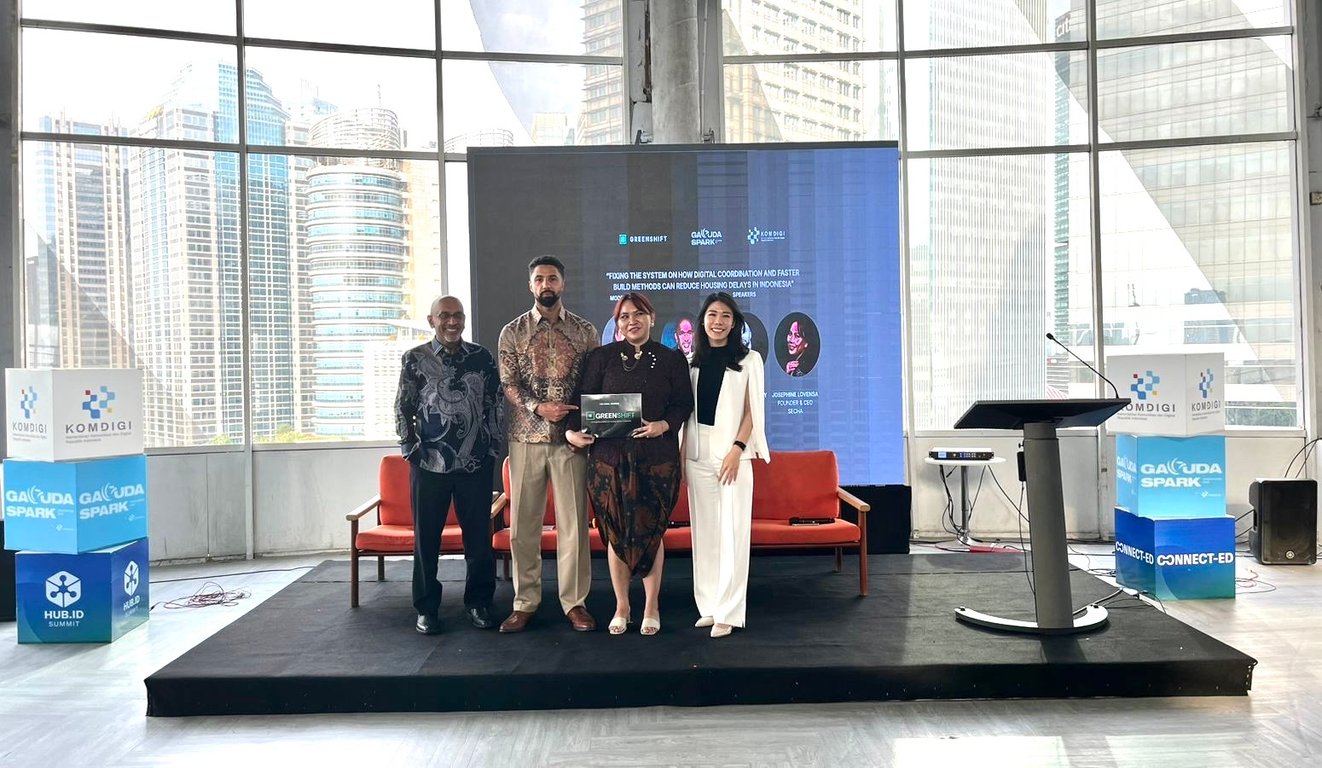
Supported by the Ministry of Communication and Digital (KOMDIGI) , PropTech disruptor SECHA and ConTech innovator Fjäll Group have unveiled ‘GreenShift’ —a revolutionary integrated solution that merges digital coordination with industrialized modular construction to drastically compress housing delivery timelines from 540 days down to just 45 days.
JAKARTA, INDONESIA — In a major development set to ripple across the Southeast Asian real estate ecosystem, property technology leaders SECHA and Fjäll Group have officially launched GreenShift. Supported by the Ministry of Communication and Digital (KOMDIGI), this integrated flagship product was unveiled on Wednesday, 20 May 2026, at the Garuda Spark Innovation Hub at FX Sudirman – Jakarta,Indonesia. The solution is engineered to compress housing delivery timelines from 540 days down to a mere 45 days.
The launch event, themed “Fixing the System: How Digital Coordination and Industrialized Construction Can Reduce Housing Delays,” successfully reframed the housing crisis from a basic supply issue to a highly solvable system challenge.
For decades, the journey to accessing a livable home in the region has remained prolonged, fragmented, and notoriously difficult to navigate. Disconnected financing, delayed approvals, and inefficiencies in conventional building methods result in financial strain and compromised living conditions for many families. During the launch event, industry leaders exposed how this systemic friction equates directly to lost capital.
Dr. Kunalan Sivapuniam, Partner at Tarian Partners, highlighted the financial drain caused by traditional execution for cross-border and institutional capital. He noted how execution risk and slow project delivery hold back the scale of housing development today. He emphasized that the “dead space” of coordination negatively impacts both ROI and ESG targets, causing capital to get stuck within the process.
The Synergy of ConTech and PropTech
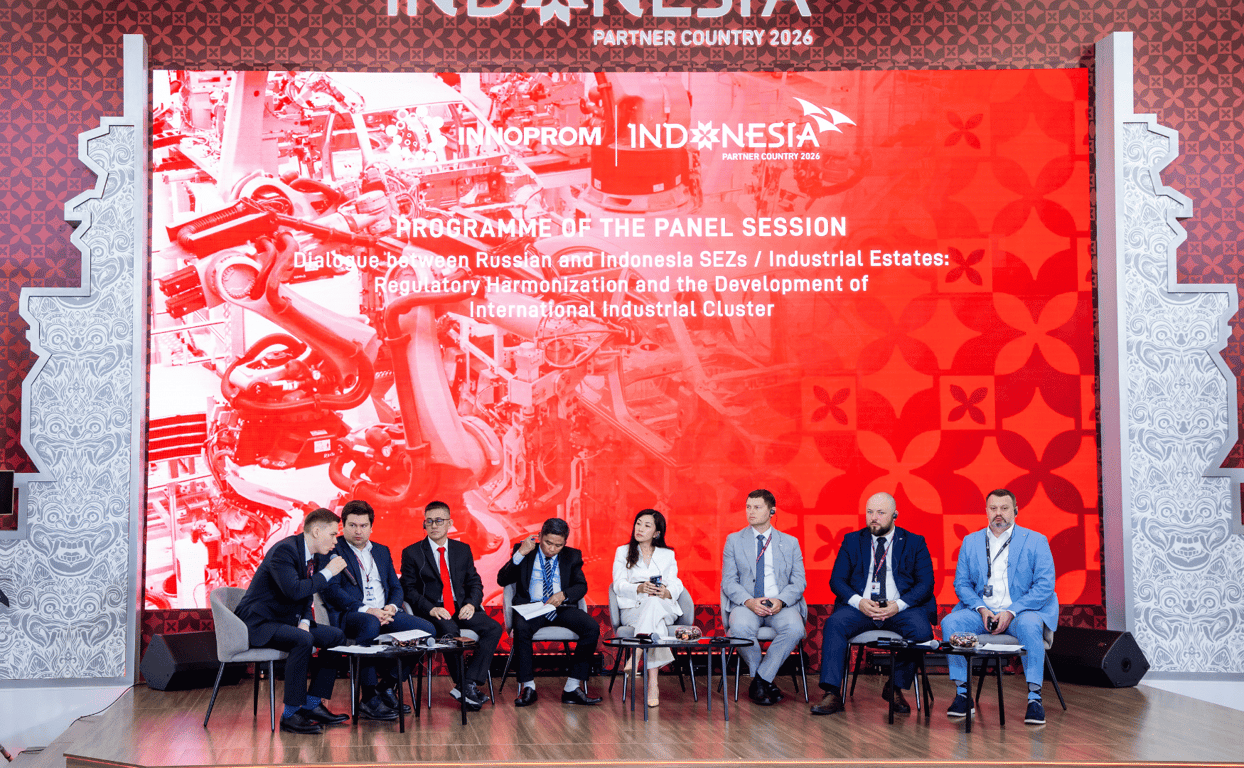
GreenShift is designed to eliminate this execution risk by aggressively marrying digital coordination with industrialized modular construction, utilizing EPS modular systems. The panel spotlighted the visionary founders driving this dual-engine approach to disrupt the market.
Addressing the physical bottlenecks of construction, Christian Daley, CEO of Fjäll Group, emphasized the necessity of moving away from legacy building methods.
“By implementing our EPS modular system, we are bypassing the traditional steps that historically drag out timelines,” Daley explained, proving that developers can drastically cut delivery times in half.
However, the event underscored that an accelerated physical build cannot fix a broken ecosystem on its own. Josephine Lovensa, Founder & CEO of SECHA, highlighted the critical role of digital architecture in streamlining the project lifecycle.
“Christian can build it fast, but delays can still happen during handoffs and coordination,” Lovensa explained. By bringing together digital transparency and physical speed, SECHA ensures that tech speeds things up in practice across every handoff, streamlining the fragmented system.
A Regional Manufacturing Hub for Housing
Moderated by Laura Lukito, Founder & CEO of ArkoPay, the core discussion proved that the real power of GreenShift lies in the synergy of these two engines working together. By combining digital transparency with sustainable modular construction, GreenShift creates a model that is both scalable and highly investable for institutional funds.
With Indonesia advancing its digital infrastructure and positioning itself as a regional manufacturing hub, this model offers a highly scalable blueprint that can attract regional capital, including from neighboring markets like Malaysia. The era of accepting disjointed, high-risk development is over. As the GreenShift manifesto declares: “We spend our lives compromising. Waiting for the right time, the right builder. It’s time to stop waiting.”.
This press release has also been published on VRITIMES