Editor Team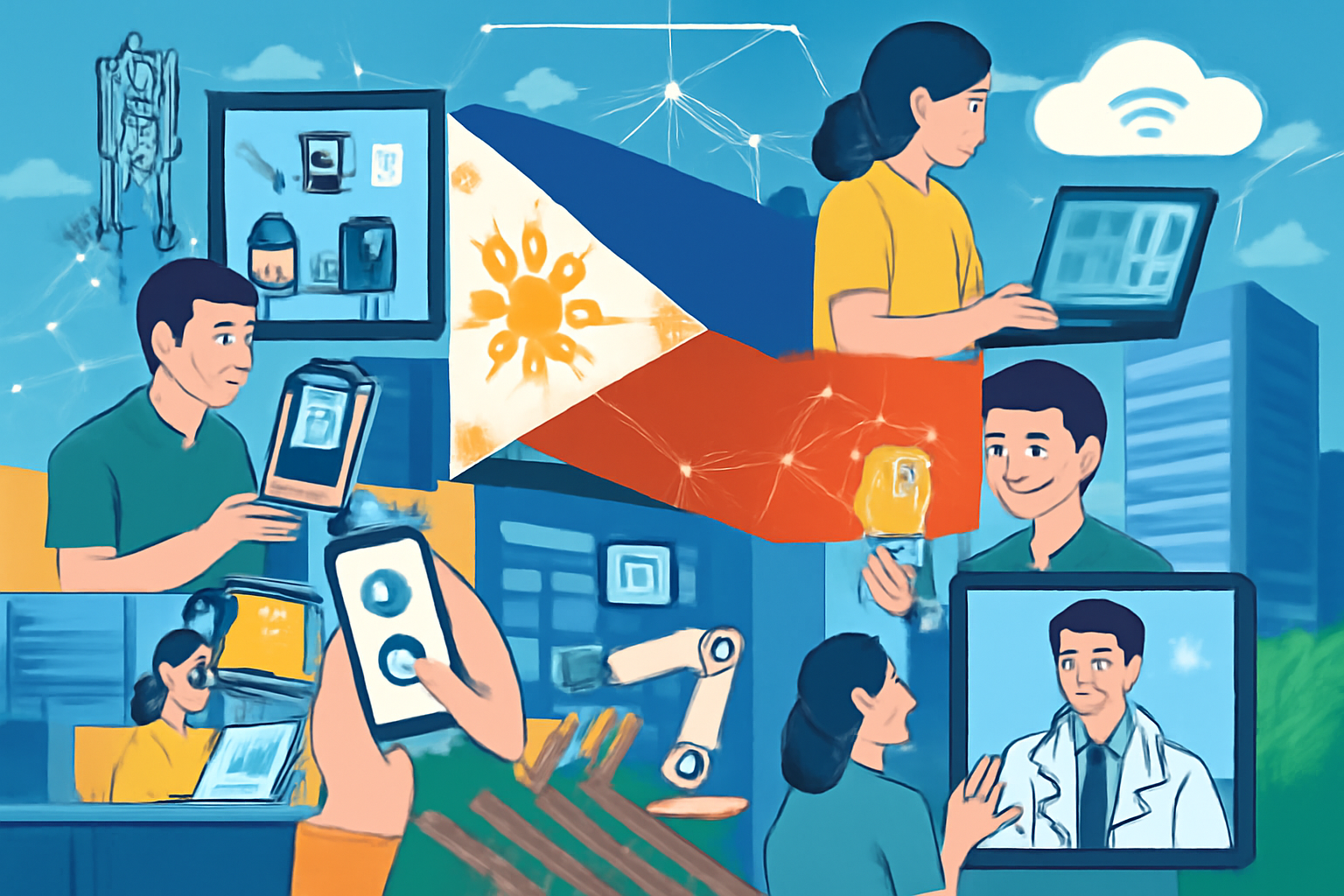
In recent years, the Philippines has emerged as a regional hub for digital transformation, where technology and innovation are playing pivotal roles in driving the nation’s economic growth and social development. With advancements in technology, various industries in the Philippines are evolving, including e-commerce, healthcare, education, and agriculture. The country’s strategic push towards digitalization is shaping the future of its economy, enhancing business productivity, and improving the quality of life for its citizens.
One of the core drivers of this digital revolution is the government’s focus on strengthening the country’s digital infrastructure. The National Broadband Plan, which aims to improve internet connectivity across the Philippines, is crucial in supporting businesses, educators, and healthcare providers. Ensuring that both urban and rural areas have access to fast and reliable internet services is an important step in bridging the digital divide.
The education sector in the Philippines has undergone a significant shift towards digital learning, especially with the onset of the COVID-19 pandemic. Schools and universities have embraced online learning tools and digital classrooms to ensure that students continue their education during periods of lockdown. The Department of Education (DepEd) has also introduced a range of initiatives, such as blended learning and e-learning programs, to promote digital literacy and create a more flexible education system.
In addition to the education sector, the healthcare industry has also experienced significant digital transformation. Telemedicine services are gaining traction as more Filipinos turn to online consultations to access medical advice from the comfort of their homes. Health tech startups are helping to improve healthcare delivery by offering digital platforms for patients to schedule appointments, access prescriptions, and receive consultations remotely. These innovations are crucial in providing healthcare to underserved areas, where access to medical facilities is limited.
Another area where technology is making a significant impact is e-commerce. Filipinos have rapidly adopted online shopping platforms, driven by the convenience and wide array of products available. E-commerce giants like Lazada and Shopee have become household names, making it easier for consumers to shop online and for businesses to reach a broader customer base. Digital payment platforms such as GCash and PayMaya have also seen tremendous growth, making it easier for Filipinos to make secure and seamless transactions.
Moreover, the Philippines is also witnessing an innovation boom in sectors like fintech, agritech, and logistics. Fintech companies are leading the charge in providing banking services to unbanked populations, enabling digital transactions, and offering financial products tailored to the needs of the Filipino market. In the agriculture sector, agritech startups are revolutionizing farming practices with technologies like precision agriculture, which helps farmers monitor crops and manage resources more efficiently.
The private sector in the Philippines is also at the forefront of digital transformation. Many large corporations are adopting technologies such as artificial intelligence (AI), big data, and cloud computing to optimize their operations and enhance customer experiences. These tools are helping businesses drive efficiency and increase their competitiveness in the global marketplace.
However, the journey to complete digital transformation is not without its challenges. Issues like cybersecurity, digital literacy, and infrastructure gaps in remote areas continue to pose barriers. To address these, the Philippine government is working alongside industry stakeholders to create a more inclusive digital ecosystem. Investments in digital education, cybersecurity measures, and digital infrastructure will be key to overcoming these obstacles and ensuring a more equitable digital future for all Filipinos.
With continued government support, innovation in the private sector, and growing digital adoption across industries, the Philippines is on track to become a regional leader in digital transformation. The continued evolution of technology and innovation promises to bring about lasting economic growth, improved services, and a brighter future for all Filipinos.