vritimes
The Gap Between Hydrogen Hype and Hydrogen Reality
Sarawak has positioned itself at the centre of Malaysia’s green hydrogen story, hosting the Sarawak Hydrogen Hub and anchoring flagship projects such as H2ornbill and H2biscus. Yet 2026 has brought a necessary correction. The state is recalibrating its most ambitious export-oriented hydrogen projects amid global financing constraints, scaling them down to match available capital and offtake certainty. This is not a retreat from hydrogen; it is the transition from announcement to bankability.
The Perak Floating Solar–Hydrogen Project
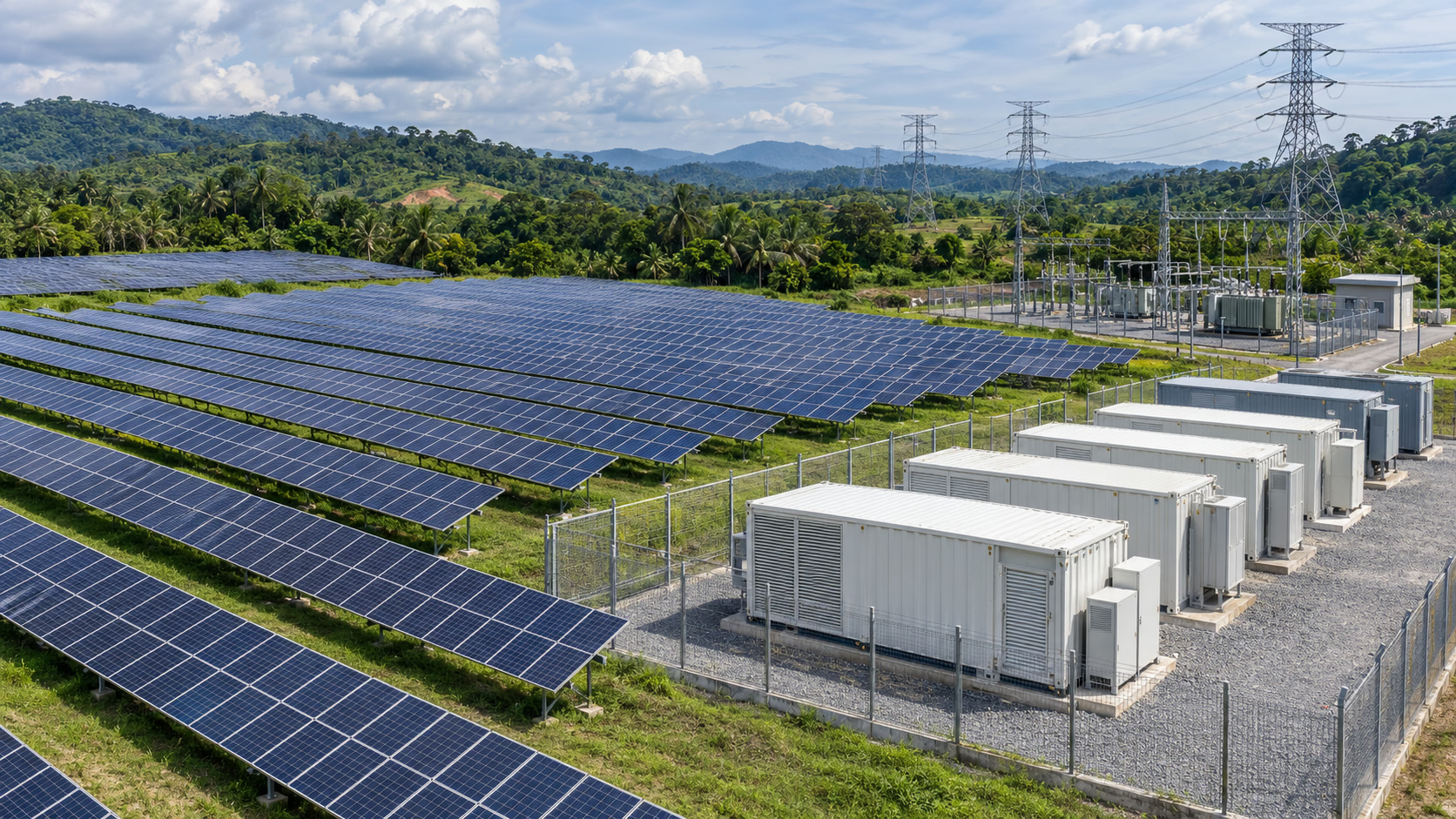
A more concrete milestone came in July 2026, when Malaysian company Semarak Renewable Energy and China Hydropower signed an agreement worth MYR1.88 billion (approximately US$398 million) to develop Malaysia’s first large-scale green hydrogen production project using floating photovoltaic power in Perak. The project integrates floating solar generation with hydrogen production and storage, addressing the land-use constraints that plague conventional ground-mounted solar in Peninsular Malaysia.
The Perak project matters because it tests an integrated technical model: floating PV reduces evaporation and avoids competing for agricultural land, while hydrogen production provides a storage and export vector for surplus electricity. If successful, it offers a replicable template for other water-rich regions.
Sabah’s Cost Curve and the Electrolyser Question
Techno-economic analysis published in 2026 offers a sobering but useful benchmark. A study modelling solar-to-hydrogen production in Sabah found a levelised cost of hydrogen (LCOH) of US$4.303/kg under current capital costs, with a projected decline to US$1.999/kg by 2030 under aggressive electrolyser and PV cost assumptions. The study identifies electrolyser capital expenditure as the dominant cost driver and establishes cost-ratio thresholds for choosing between alkaline and PEM electrolyser configurations.
These numbers matter for investors because they clarify where subsidy or policy support is most needed. Green hydrogen from Malaysian solar is not yet cost-competitive with grey hydrogen without carbon pricing or targeted fiscal support. The National Carbon Market Policy and the anticipated carbon tax on the iron, steel, and energy sectors from 2026 are designed to narrow that gap by raising the cost of emissions-intensive alternatives.
What Bankable Hydrogen Requires
The Sarawak recalibration and the Perak project point to a common lesson: hydrogen projects become bankable when they are anchored to a specific end-use and a creditworthy offtaker. Export-oriented ammonia projects face global price uncertainty and financing constraints. Domestic applications—such as hydrogen-powered autonomous rapid transit in Kuching and industrial feedstock for low-carbon ammonia and urea in Bintulu—offer more proximate demand signals.
Malaysia’s hydrogen ambition remains credible, but the era of unconditional project announcements is over. The projects that advance will be those with firm offtake, realistic cost assumptions, and staged capital deployment.


 Editor Team