Editor Team
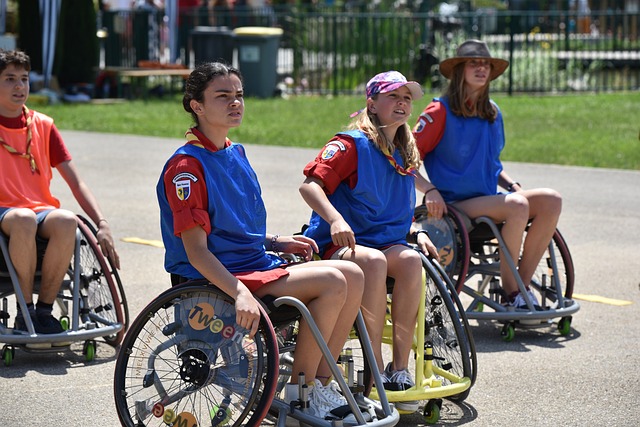
This is the last part of the four-part series Empowering Vulnerable Populations through Media and Information Literacy. This article discusses how Media and Information Literacy (MIL) persons with disabilities by overcoming barriers, promoting accessibility, and fostering inclusivity in the digital age.
Media and information literacy does not only aim to instill critical thinking among individuals, it also aims to make a difference in the world. This is why teaching MIL should also be inclusive. It should be the priority of our policymakers to design education as equal and equitable as possible because everyone should be empowered. They should be able to contribute to others and to themselves regardless of abilities.
To ensure that people with disabilities can be equal in sharing the digital space, it is imperative to understand their challenges and strategies to make MIL education accessible.
Understanding the Challenges
• Limited Access: Since some inventors do not consider persons with disabilities in mind, many individuals with disabilities face challenges accessing the internet or necessary adaptive technologies. This is a problem because they cannot share the same space of digital benefits with those people who have no disabilities.
• Accessibility Barriers: Digital content and platforms often lack proper design for people who have disabilities. This makes navigation and comprehension difficult. Hence, they tend to be left behind in adapting to the digital space.
• Educational Gaps: Lower levels of education and digital literacy can hinder effective media engagement. This does not mean they are intellectually challenged over other people with no disabilities. There are just not enough accommodations for students with disabilities.
• Socio-economic Disparities: This tends to exacerbate the obstacles of people with disabilities to gain digital literacy because they lack resources in general. If they cannot fend for basic commodities, they cannot easily access investments for social mobility like education
MIL: A Powerful Tool for Empowerment
• Overcoming Barriers: MIL equips persons with disabilities with the skills to navigate digital spaces effectively in order to overcome inaccessible content and technology limitations. However, this is effective only to the extent that policymakers exert efforts to make MIL inclusive.
• Promoting Accessibility: Through MIL training, individuals learn about available tools and resources that make online content accessible and usable. This includes having several adaptive technologies and people to guide them in their learning.
• Fostering Inclusivity: By participating in media creation and sharing, persons with disabilities gain a voice and contribute to a more diverse digital landscape.
•
Strategies for Enhancing MIL Accessibility
• Universal Design: Designing digital content from the start to be accessible to all users, regardless of ability.
• Adaptive Technologies: Utilizing tools like screen readers, voice recognition, and alternative input devices to enhance interaction with digital content.
• Clear and Simple Language: Using plain language that is easy to understand benefits everyone, especially those with cognitive disabilities.
Conclusion
Media and Information Literacy is a transformative force for persons with disabilities. By addressing the challenges they face and providing inclusive MIL initiatives, we can create a truly inclusive digital world. It’s about empowering individuals, breaking down barriers, and ensuring everyone has the opportunity to participate fully in today’s information society.