Editor Team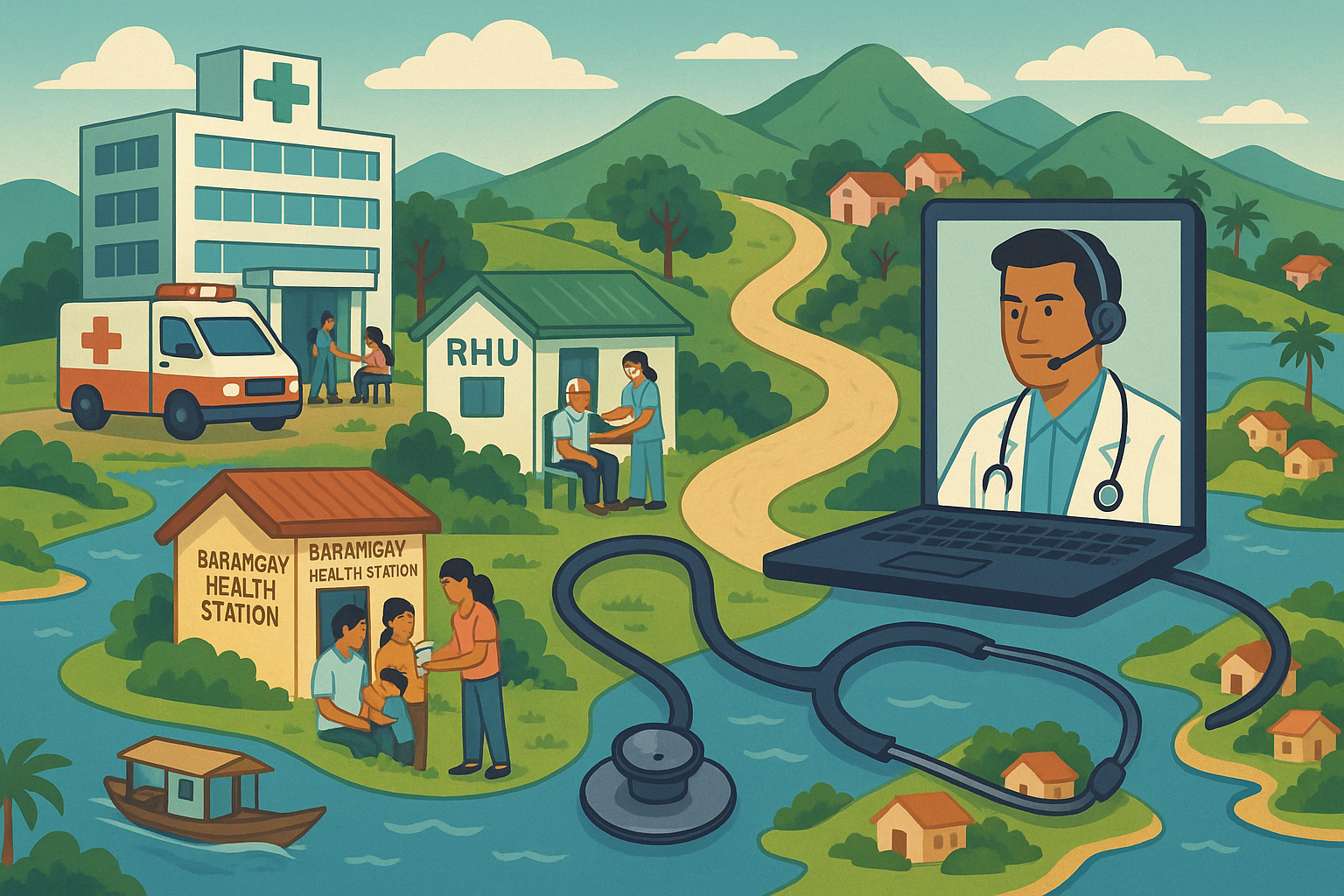
Understanding the Philippine health system is easier when traced through real-world journeys. Consider a pregnant woman in a coastal barangay. Her first contact is a Barangay Health Station or Rural Health Unit for prenatal visits, micronutrients, and counseling. If she develops preeclampsia, she must be referred to a higher-level facility—often hours away by road and boat. Transport costs, weather, and facility readiness determine whether she arrives in time. PhilHealth benefits may defray hospitalization costs, but indirect expenses—travel, meals, lost income—still weigh on families.
For an older man with diabetes, continuity is the challenge. Primary care packages can include consults, basic labs, and medicines, yet availability fluctuates across localities. When stockouts occur, he buys from private pharmacies, sometimes skipping doses. Specialist referrals may be delayed by appointment queues or distance. Without coherent care plans and data sharing, each visit restarts the story, and complications lurk unseen.
A young worker with tuberculosis faces different hurdles: stigma, daily adherence, and the need for uninterrupted drug supply. National TB programs support testing and treatment, but success depends on local follow-through—tracing contacts, ensuring directly observed therapy when needed, and tracking outcomes in reliable registries.
These stories expose system-wide patterns. First, the gatekeeping promise of primary care is not fully realized; many patients bypass local units, heading straight to emergency departments for issues that could be managed earlier. Second, diagnostics—imaging, confirmatory tests, and specialized labs—are unevenly distributed, creating bottlenecks. Third, financial protection is partial: PhilHealth case rates help, but co-payments, uncovered services, and medicine purchases still produce out-of-pocket shocks.
Supply-side capacity varies by locale. Local governments manage facilities and personnel, leading to innovations in some provinces and chronic shortages in others. The UHC Act aims to lessen this variability by integrating province- and city-wide networks, enabling pooled funds to purchase services strategically. When implemented well, this shifts care from reactive to preventive: immunizations complete on schedule, hypertension is managed in teams, and referrals are tracked with feedback loops.
Workforce migration remains a structural constraint. Competitive overseas opportunities attract Filipino nurses and caregivers, leaving domestic wards understaffed. Retention requires better pay, career paths, and safer working conditions, especially in remote postings. Empowering barangay health workers with training and digital tools amplifies reach, but must be backed by supervision and data systems that minimize paperwork and maximize patient contact.
Medicine access influences every journey. Strengthened procurement, price regulation, and the promotion of quality-assured generics can cut costs materially. Pharmacies aligned with primary care networks, e-prescriptions, and synchronized refills reduce missed doses and hospitalizations.
Technology can stitch islands together. Teleconsults extend specialist advice, while interoperable health records prevent repetitive tests and close referral loops. Disaster resilience is non-negotiable: pre-positioned supplies, evacuation-ready clinics, and mobile networks ensure care continuity during storms.
When the patient pathway is designed end-to-end—financed adequately, staffed fairly, and supported by data—access becomes dependable rather than aspirational.