Editor Team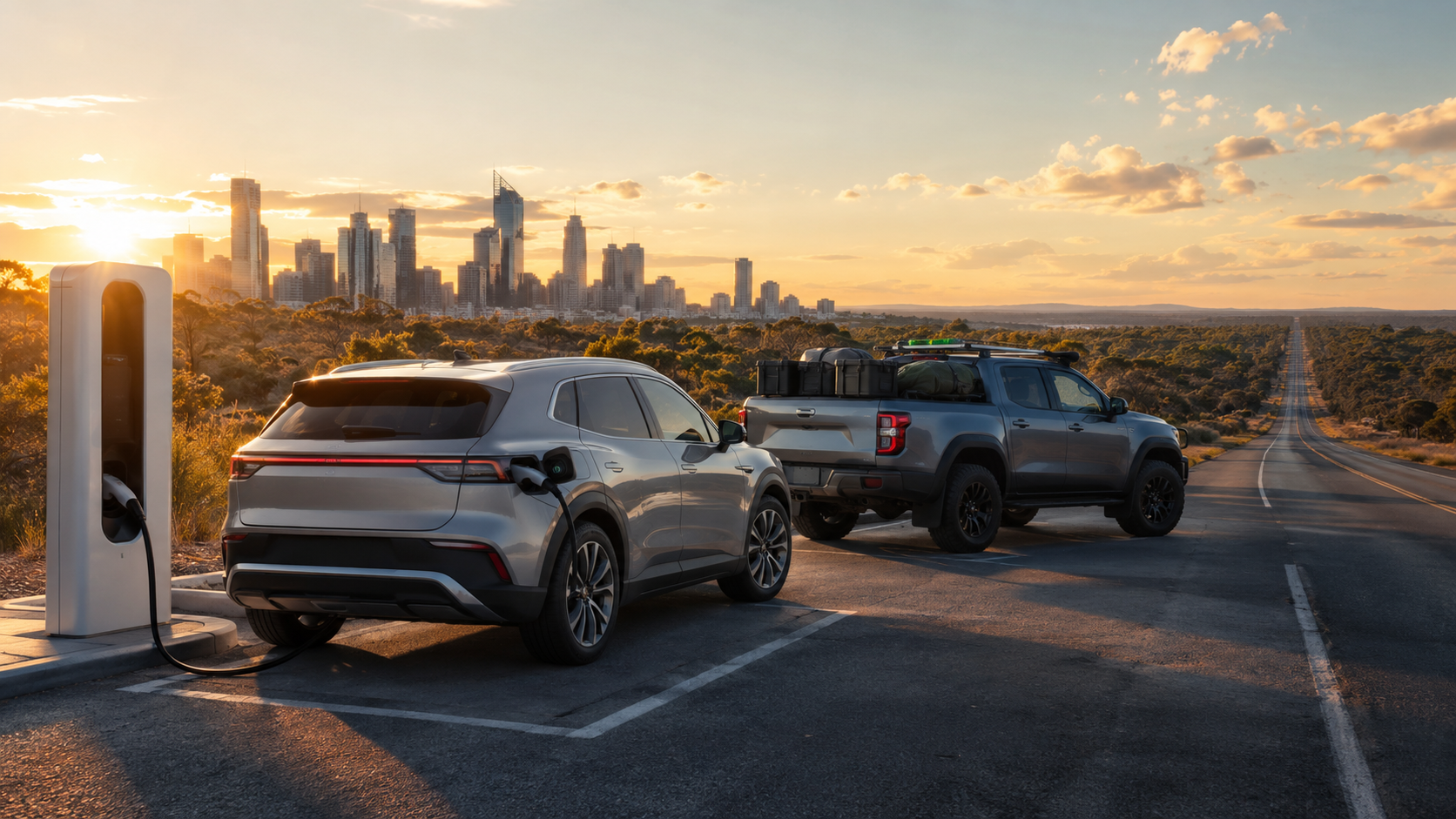
Australia’s automotive sector is undergoing its most significant transformation since large-scale passenger vehicle manufacturing ended in 2017. Instead of being defined by domestic assembly plants, the industry is increasingly shaped by electric vehicles, emissions regulations, advanced software, charging infrastructure and new mobility services.
The shift is not simply about replacing petrol-powered cars with electric models. It represents a broader change in how vehicles are imported, regulated, powered, serviced and used across one of the world’s most geographically dispersed countries.
New Efficiency Rules Are Changing Vehicle Supply
A major turning point is Australia’s New Vehicle Efficiency Standard, which began operating in 2025. The system sets annual carbon dioxide targets for new passenger vehicles and light commercial vehicles supplied to the Australian market.
Manufacturers with vehicle fleets that exceed the prescribed emissions limits may need to use accumulated credits or face financial penalties. Companies offering more low-emission vehicles can generate credits, creating a commercial incentive to introduce efficient petrol, hybrid, plug-in hybrid and battery-electric models.
Detailed information is available through the Australian Government’s official New Vehicle Efficiency Standard portal.
The policy is important because Australians have historically had access to fewer low-emission models than consumers in Europe, China and several other developed markets. Without mandatory efficiency targets, global manufacturers often prioritised countries with stricter emissions regulations.
Electric Cars Are Expanding, but the Transition Is Uneven
Battery-electric vehicle sales increased rapidly during the early 2020s, supported by Tesla’s market presence and the arrival of manufacturers such as BYD, MG, Polestar and other Asian and European brands.
However, adoption remains uneven. Electric vehicles are more common in metropolitan areas, where households are more likely to have access to home charging and shorter daily travel distances. Regional drivers may face longer journeys, limited public charging facilities and fewer specialised repair centres.
Hybrid vehicles have consequently become an important transitional technology. They reduce fuel consumption without requiring drivers to depend entirely on public charging infrastructure. For consumers who regularly travel between cities and regional communities, hybrids may offer a more practical short-term solution.
The Australian Utility-Vehicle Challenge
One of the industry’s most distinctive challenges involves utility vehicles, commonly known as utes. Models such as the Ford Ranger and Toyota HiLux have traditionally been among Australia’s strongest-selling vehicles.
These vehicles are used by construction companies, farmers, mining operators and private households. Electrifying the category requires manufacturers to deliver sufficient towing capacity, driving range, durability and payload performance.
The development of electric and plug-in hybrid utes will therefore be a critical test of Australia’s transport transition. A vehicle that performs well in a European city may not automatically meet the requirements of a worker travelling hundreds of kilometres through regional Australia.
Mobility Will Become More Digital and Connected
Future vehicles will increasingly function as software-enabled platforms. Remote software updates, digital driver assistance, battery monitoring and connected navigation are becoming central elements of vehicle ownership.
Subscription services and shared mobility could also expand, particularly in densely populated cities. Nevertheless, private vehicle ownership is likely to remain important because Australia’s suburban design and long-distance transport needs differ from those of compact European or Asian cities.
The next phase of Australia’s automotive development will depend on whether regulation, charging investment and vehicle supply can progress together. The most successful transition will not be measured only by the number of electric cars sold, but by whether cleaner vehicles become practical for urban families, tradespeople, fleet operators and regional communities.