Editor Team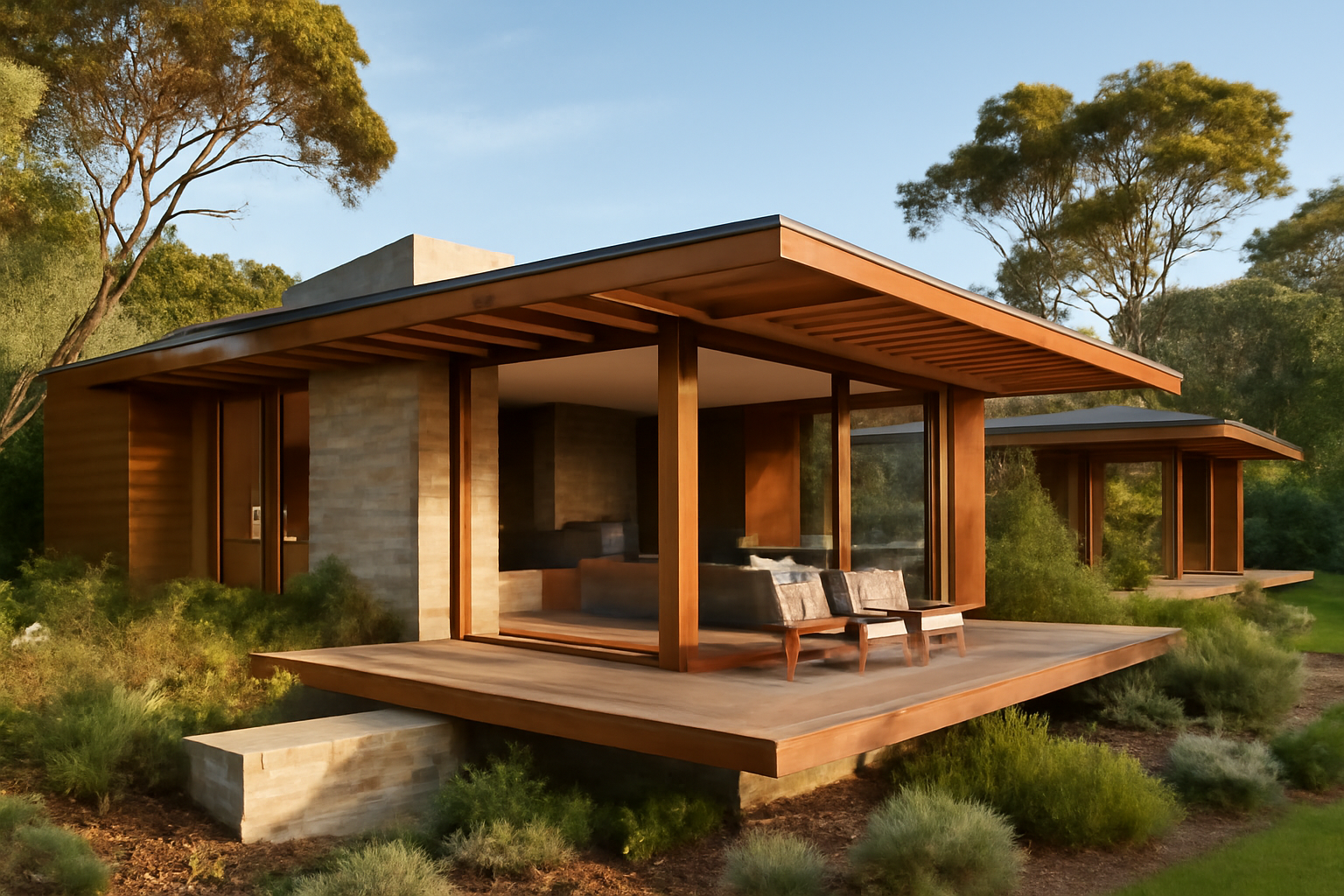
Australian architecture is defined by its ability to harmoniously combine contemporary design with the natural world. This fusion is not merely an aesthetic choice, but a reflection of the country’s deep respect for its environment and commitment to sustainable living. As the demand for energy-efficient and eco-friendly buildings grows, Australian architects have taken the opportunity to create designs that celebrate the beauty of nature while incorporating the latest in modern design.
One of the most defining features of modern Australian architecture is the use of natural materials. Wood, stone, and concrete are often selected for their durability and environmental compatibility. These materials help to create structures that are not only visually appealing but also promote sustainability. Large glass panels are a staple in many designs, allowing homeowners to enjoy unobstructed views of the landscape while flooding the interior with natural light. This also minimizes the reliance on artificial lighting, thus reducing energy consumption.
Architects in Australia have also embraced the principles of passive design, which involves designing buildings that naturally maintain comfortable temperatures without the need for active heating or cooling. This can be achieved through strategies such as orientation to maximize sunlight, natural ventilation, and the use of thermal mass. By optimizing the use of the environment’s natural resources, passive design ensures that homes are energy-efficient, comfortable, and environmentally friendly.
Sustainability is at the forefront of modern Australian architecture. Green roofs, solar panels, and rainwater harvesting systems are commonly incorporated into new buildings. These environmentally conscious features not only reduce a building’s carbon footprint but also contribute to a more sustainable urban landscape. In cities like Sydney, Melbourne, and Brisbane, many new buildings are designed with sustainability as a core principle, helping the country move toward a greener future.
Outdoor living is another key aspect of Australian homes. With its mild climate and beautiful natural surroundings, it’s no surprise that many homes feature expansive outdoor spaces that act as extensions of the interior. Large decks, courtyards, and terraces are common features, designed to encourage an outdoor lifestyle. This emphasis on outdoor living allows residents to connect with nature, whether they’re enjoying a meal with family or simply relaxing in the fresh air.
Indigenous Australian culture has also influenced modern architectural design. Many contemporary architects draw inspiration from Aboriginal art and traditions, incorporating motifs and patterns into their designs. This cultural connection helps to reinforce a sense of place and deepens the connection between architecture and the land. By honoring the indigenous heritage of Australia, architects are able to create buildings that not only reflect the past but also look toward the future.
In coastal regions, Australian architecture takes on a distinct character. The design of homes along the coast often prioritizes the use of natural light and ventilation to take advantage of the ocean breeze. With an emphasis on open-plan living, these homes are designed to blend seamlessly with the surrounding environment, allowing residents to feel as though they are living in harmony with the natural world. The use of sustainable materials in these homes also ensures that they can withstand the harsh coastal conditions while maintaining a low environmental impact.
Innovation is at the heart of Australian architecture, with architects continually pushing the boundaries of design to create visually stunning, functional, and environmentally friendly buildings. From the sleek, modern lines of inner-city apartment complexes to the organic, flowing shapes of homes in rural areas, the architecture of Australia is constantly evolving. Whether designing for a harsh desert climate or a lush tropical rainforest, architects are finding new ways to create spaces that blend seamlessly with the natural world.
Modern Australian architecture stands as a powerful example of how design can celebrate and protect the environment. By integrating natural elements into their designs, Australian architects are not only creating beautiful buildings but also promoting a sustainable, eco-friendly way of living.