Editor Team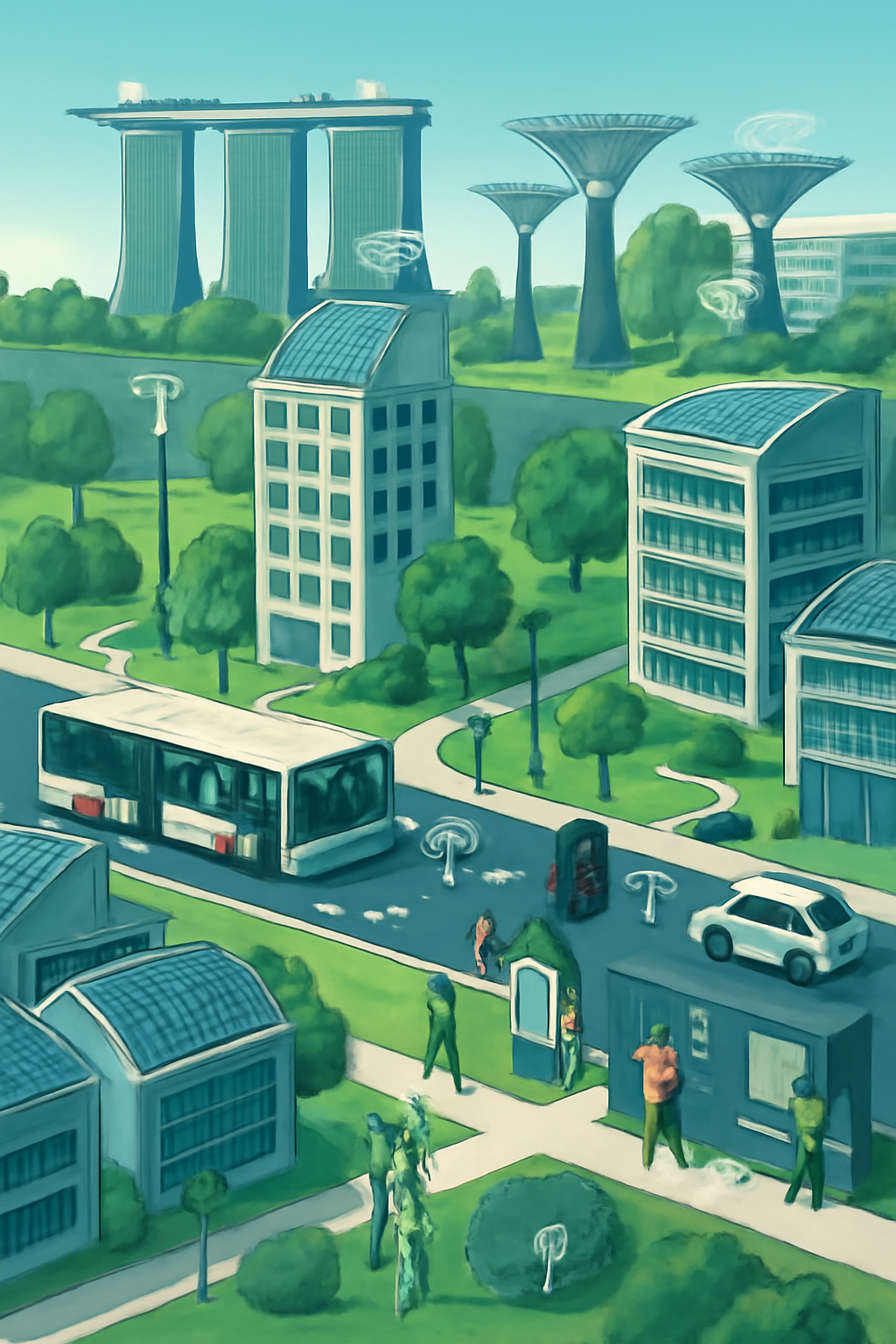
Singapore has long been recognized as one of the most technologically advanced cities in the world. Its vision to become a smart city—a place where technology enhances the quality of life—has taken shape through numerous initiatives that incorporate digital solutions into urban management. In the heart of this transformation are innovations that make everyday life more seamless, efficient, and connected.
A defining feature of Singapore’s smart city initiatives is its emphasis on a robust, city-wide data infrastructure. By embedding sensors throughout the city, the government can collect real-time data on a wide range of urban activities, from traffic patterns to air quality. This data-driven approach helps city planners and officials make informed decisions about resource allocation, transportation planning, and environmental protection.
The transportation sector has seen massive improvements thanks to technological integration. Singapore’s roads are equipped with an extensive network of smart traffic signals that adjust in real-time based on traffic conditions. Additionally, the city is experimenting with autonomous vehicles, paving the way for a future where cars can communicate with infrastructure and other vehicles to reduce accidents and improve traffic flow. This technology not only has the potential to revolutionize transportation but also plays a key role in reducing the city’s carbon footprint.
The public transport system in Singapore has become a model for other cities, due to its incorporation of smart features. Real-time tracking of buses and trains, along with digital platforms that inform users of wait times and optimal routes, ensures a more efficient and user-friendly commuting experience. Additionally, Singapore has pioneered cashless and contactless payment systems, making it easy for residents and visitors to travel without worrying about physical tickets.
At home, Singapore residents are also benefitting from smart technologies. The government has collaborated with private developers to design smart homes equipped with IoT devices. These homes use sensors to monitor energy consumption, optimize lighting, and adjust air-conditioning based on occupancy, ultimately contributing to lower energy costs and a more sustainable lifestyle. Furthermore, smart home technology in Singapore offers enhanced security features such as surveillance cameras and alarm systems that can be controlled remotely via mobile apps.
Sustainability is a core pillar of Singapore’s smart city vision, and technology is playing a significant role in making the city more eco-friendly. Smart grids that monitor energy use and manage the distribution of electricity more efficiently help reduce wastage. Solar energy solutions are widely adopted, with rooftop solar panels being installed across residential and commercial buildings. These technologies work hand in hand to lower the city’s environmental impact.
In addition, public spaces such as parks and recreational areas have been transformed through technology. Integrated systems track air quality and weather conditions, allowing citizens to make informed decisions about outdoor activities. Digital signage and mobile apps provide up-to-date information about city events, public services, and other community-oriented resources.
Overall, Singapore’s smart city transformation is an impressive example of how technology can be harnessed to create more livable, efficient, and sustainable urban environments. By focusing on interconnectedness and smart management of resources, Singapore is laying the groundwork for cities of the future.