Editor Team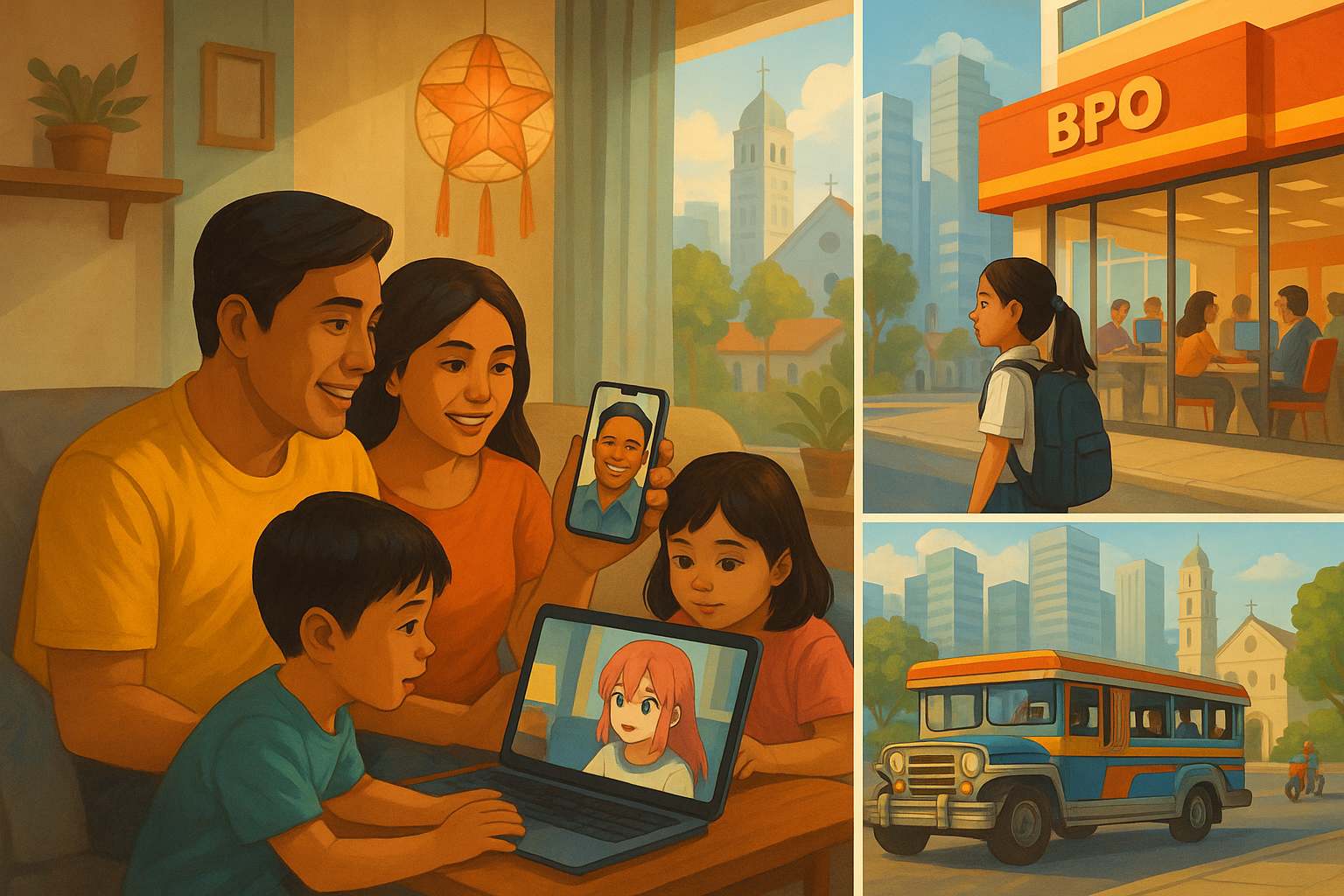
In the Philippines, globalization has moved from economic policies into the intimate spaces of homes, schools, and workplaces. The average Filipino’s day is intertwined with global networks, whether through a smartphone screen or a salary connected to foreign markets. Children grow up watching animated shows from Japan and the United States, while teenagers follow trends from Korea and Europe. This constant flow of ideas, images, and products changes how people think about beauty, success, and happiness. Globalization, in this way, quietly guides everyday decisions and aspirations.
The labor landscape is one of the clearest examples of globalization’s reach. The expansion of foreign-owned factories, multinational corporations, and BPOs has created new job opportunities and altered traditional career paths. Instead of working in agriculture or small local businesses, many young Filipinos now aim for corporate jobs in large cities or tech-related roles. Night shifts, flexible schedules, and remote work are becoming more common, especially in industries serving international clients. While these jobs often pay better than older alternatives, they can also disrupt social life, sleep patterns, and long-standing community routines.
Migration—both internal and external—has been heavily influenced by global trends. Rural residents move to cities in search of globally connected jobs, while millions head abroad to work. Families reorganize their daily lives around the absence of parents or spouses who are employed overseas. Video calls, messaging apps, and social media help maintain emotional connections, but they cannot fully replace physical presence. At the same time, exposure to foreign cultures through these family members abroad can change attitudes about gender roles, parenting, and lifestyle.
Everyday consumption patterns reveal another layer of social change. Global fast-food chains are common meeting points for friends and families, especially in urban centers. Imported cosmetics, electronics, and fashion brands are seen as symbols of modernity or status. Online influencers promote global products, and Filipino consumers respond by adjusting their spending habits. However, this also encourages a more materialistic mindset and can put financial pressure on families who want to keep up with trends. Local products must compete not only on price but also on perceived sophistication and branding.
Education in the Philippines has also been reshaped by global influences. English remains a valuable skill, not only for overseas work but also for local jobs connected to international markets. Curricula increasingly emphasize digital literacy, global awareness, and competitiveness. Students are encouraged to think of themselves as participants in a worldwide community, not just citizens of a single nation. This can broaden horizons but may also create tension between global ambitions and local responsibilities.
On the cultural front, Filipino identity is constantly being negotiated. Traditional values such as close family ties, respect for elders, and strong religious faith coexist with more individualistic and liberal ideas arriving through global media. Young people might embrace international fashion and music while still attending local fiestas and church activities. Communities experiment with blending foreign and local practices, such as incorporating global music into local celebrations or using Western-style weddings alongside Filipino customs. The result is a complex, evolving social landscape in which globalization is neither entirely positive nor entirely negative, but a powerful force reshaping life in countless small, everyday ways.