Editor Team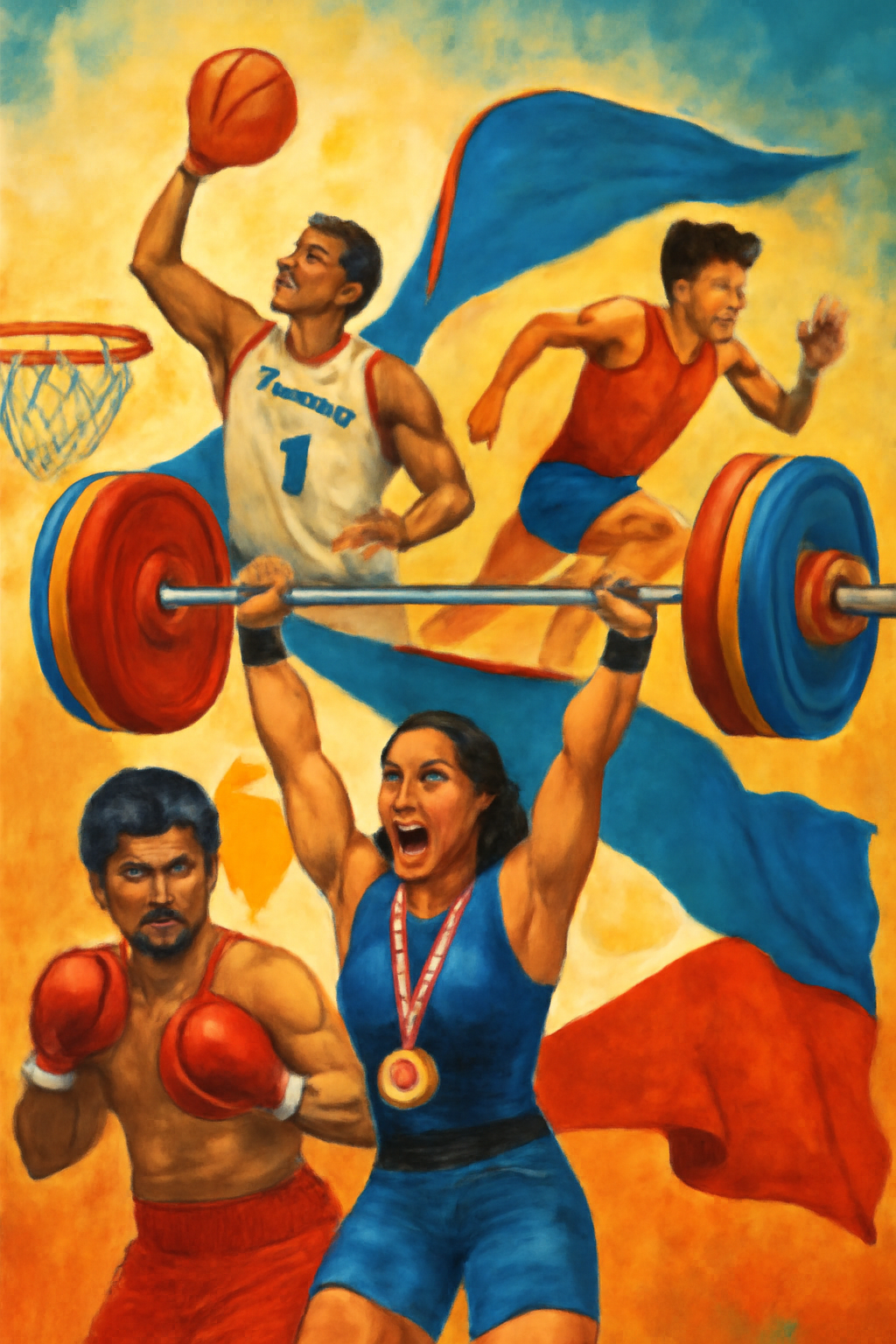
The Philippines, a nation known for its rich culture and passionate people, has also made significant strides in the world of sports. Despite facing numerous challenges, Filipino athletes have continually excelled in various international competitions. From boxing legends to Olympic champions, the Philippines’ presence in global sports has been defined by both triumphs and struggles.
Boxing is perhaps the most notable sport that has brought the Philippines widespread acclaim. Manny Pacquiao, one of the greatest boxers of all time, became an international sports icon and a symbol of Filipino pride. His rise from humble beginnings to the top of the boxing world has been a source of inspiration for many Filipinos. In addition to Pacquiao, other boxers, such as Nonito Donaire and Nesthy Petecio, have brought home world titles, further establishing the Philippines as a force in the sport.
Filipino athletes have also seen success in other disciplines, particularly in weightlifting and gymnastics. The 2020 Tokyo Olympics marked a historic moment for the Philippines when Hidilyn Diaz won the country’s first-ever Olympic gold medal. This victory was a testament to the athlete’s years of hard work and the support of the Filipino people. Diaz’s success has since inspired a new generation of athletes to dream big and strive for greatness on the international stage.
The country has also experienced success in team sports, with basketball being the most popular. The Philippine national basketball team, known as Gilas Pilipinas, has achieved notable success in regional competitions, such as the FIBA Asia Cup. The domestic basketball scene, particularly through the Philippine Basketball Association (PBA), has garnered widespread attention and produced talented players who have gone on to represent the country internationally.
Despite these successes, the journey of Filipino athletes has been far from smooth. One of the key challenges is the lack of infrastructure and facilities necessary for world-class training. Many athletes, especially in non-mainstream sports, often have to train in inadequate conditions, which can hinder their development. For example, athletes in sports like swimming, athletics, and volleyball may not have access to the latest training equipment or specialized coaching, which limits their ability to compete on the same level as their counterparts from more developed nations.
Another significant issue is the financial support that athletes receive. While some sports, particularly boxing and basketball, attract sponsors, many other Filipino athletes struggle to find financial backing. This lack of sponsorship forces athletes to rely on government funding or self-fund their training, making it more difficult to compete internationally.
Moreover, the Philippine government’s role in sports development has been a point of discussion. Although the government provides some support through the Philippine Sports Commission (PSC), critics argue that there needs to be a more strategic and sustained approach to nurturing talent across all sports. Greater attention to grassroots programs, better scouting networks, and more competitive leagues outside of basketball could lead to more success for Filipino athletes across various disciplines.
Nonetheless, despite these challenges, Filipino athletes have continued to shine on the world stage. With a renewed focus on sports infrastructure, financial investment, and national support, the Philippines has the potential to build a legacy of sporting success that goes beyond boxing and basketball.