Editor Team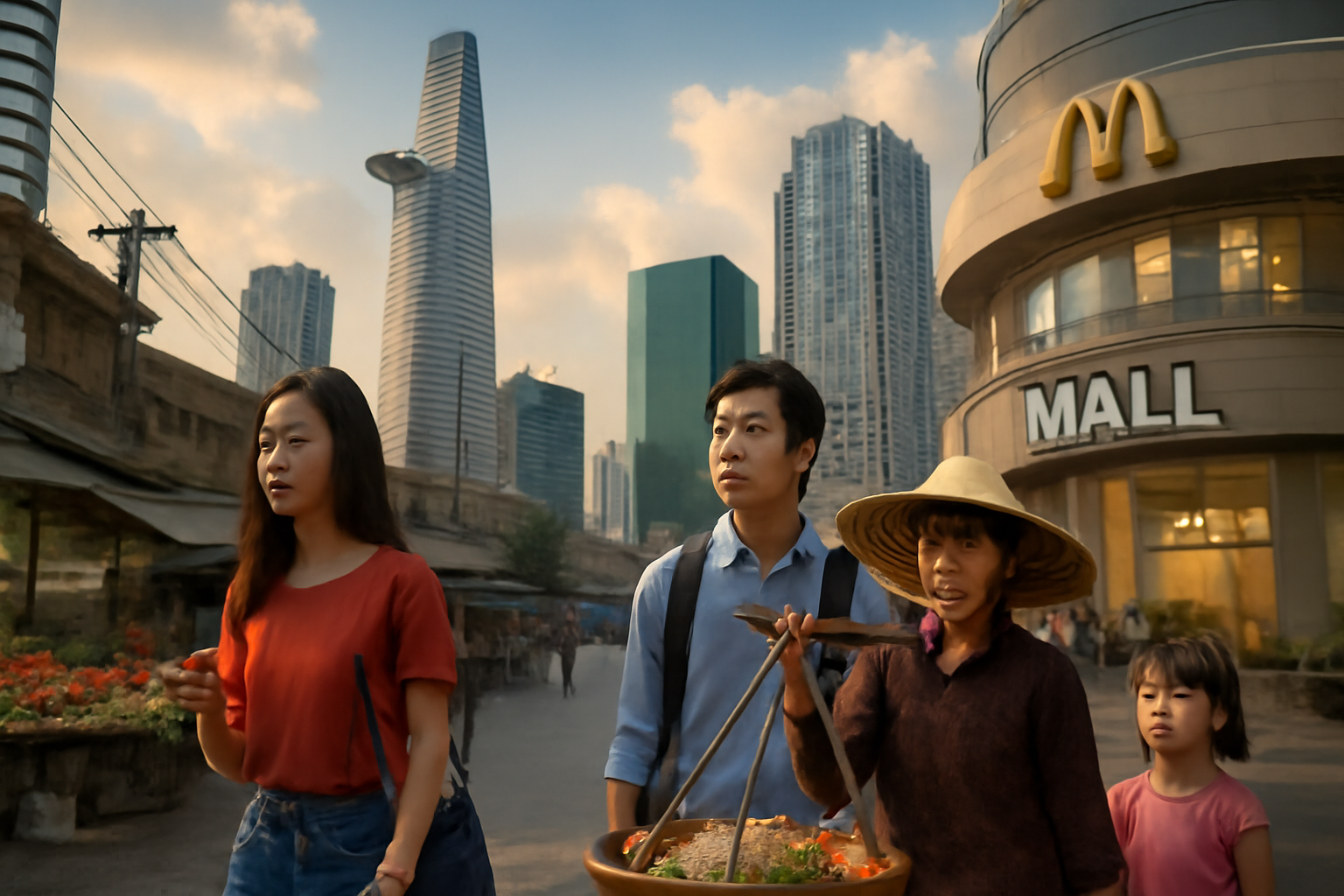
Over the past few decades, Vietnam has experienced sweeping social changes, largely due to the forces of globalization. This phenomenon, characterized by the increasing interconnectedness of markets, people, and cultures, has had profound effects on nearly every aspect of life in the country. From the way people work to the food they eat, globalization is leaving an indelible mark on Vietnamese society.
One of the key impacts of globalization on Vietnam is the rapid urbanization of its major cities. The capital, Hanoi, and economic hub, Ho Chi Minh City, have become epicenters of modernization, marked by the rise of multinational businesses and foreign investments. As more people migrate from rural areas to these cities in search of better economic opportunities, the country is seeing the emergence of a more modern and diverse urban lifestyle. This shift is also accompanied by an increase in consumerism, with global brands making their way into the everyday lives of Vietnamese citizens.
Along with urbanization comes a shift in cultural norms and values. Vietnam, traditionally a collectivist society, is witnessing the emergence of more individualistic attitudes, especially among the youth. Younger generations, exposed to Western media and values, are increasingly prioritizing career advancement and personal freedom. These changes in social dynamics are reflected in the evolving roles of women and the younger generation’s changing expectations around family and work-life balance.
Another aspect of Vietnamese life that has been influenced by globalization is consumption. With the influx of international retailers, the range of products available to Vietnamese consumers has expanded dramatically. Previously inaccessible goods, such as fast food, global fashion brands, and electronics, are now common in urban areas. This new consumer culture has been further fueled by the growth of the internet and e-commerce platforms, which have made shopping more accessible and convenient for many people.
Education in Vietnam has also seen major changes due to globalization. In order to meet the demands of a globalized economy, the Vietnamese government has prioritized English language skills and global educational standards. As a result, there has been a rise in the number of Vietnamese students pursuing higher education abroad or enrolling in international schools within the country. This not only improves the students’ career prospects but also exposes them to different cultures and ideas, broadening their perspectives.
The rapid pace of globalization, however, brings with it several challenges. While the influx of global culture offers new opportunities, it also presents risks, particularly in terms of cultural identity. Many people worry that the younger generation, in particular, may lose touch with Vietnam’s rich traditions and customs. Additionally, globalization has exacerbated economic inequality, with wealthier, urban populations benefiting more than rural communities. Addressing these disparities is a key challenge for policymakers.