Editor Team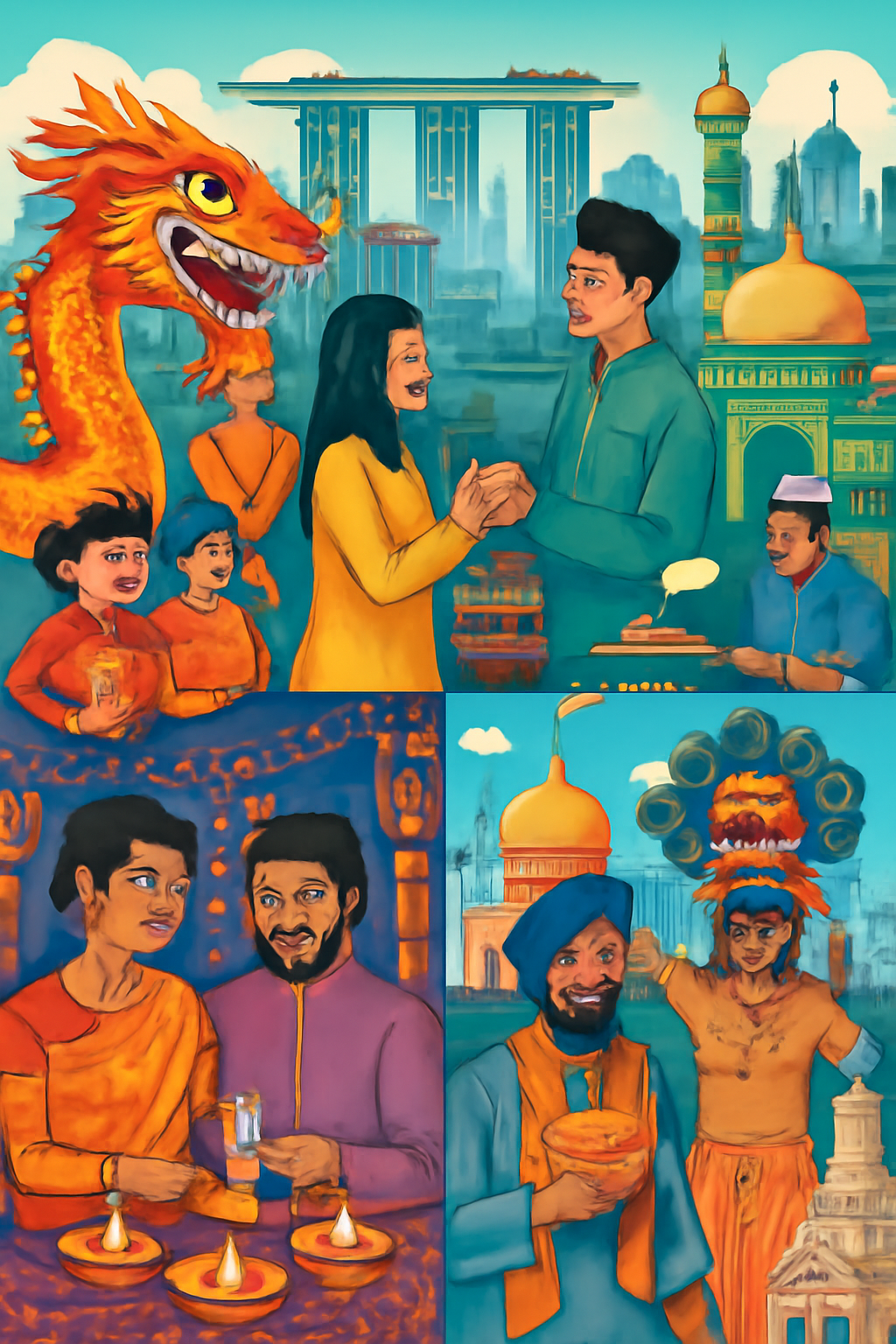
Singapore is known worldwide for its extraordinary blend of cultures, and this diversity is beautifully represented in its festivals. These celebrations provide a glimpse into the traditions, beliefs, and practices of the country’s various ethnic communities, each contributing to the vibrant mosaic of Singapore’s identity. Through its festivals, Singapore showcases its rich cultural heritage while promoting unity and understanding among its people.
One of the most widely recognized festivals in Singapore is Chinese New Year. The Chinese community in Singapore celebrates the lunar new year with family gatherings, festive meals, and various customs meant to usher in good fortune. During this time, the city’s streets are lined with red lanterns and decorations, and traditional practices like reunion dinners and the giving of red envelopes (hongbao) symbolize prosperity and happiness. The Chingay Parade, a dazzling display of performances, floats, and dragon dances, is a central event, offering a vibrant display of the multicultural heritage that defines Singapore.
For the Malay Muslim community, Hari Raya Puasa is one of the most significant celebrations, marking the end of the holy month of Ramadan. The festival is an occasion for reflection, community, and generosity. After a month of fasting, Muslims celebrate with prayers, feasts, and visits to family and friends. The streets of Geylang Serai, a culturally rich neighborhood, come alive with lights, markets, and delicious Malay cuisine, such as satay, rendang, and nasi lemak. Hari Raya emphasizes the importance of charity, unity, and forgiveness.
The Deepavali festival, also known as the Festival of Lights, is a major event for Singapore’s Hindu community. This festival signifies the victory of light over darkness and good over evil. During Deepavali, homes are adorned with diyas (oil lamps), and streets are illuminated with colorful lights, especially in Little India. The festival is also a time for families to come together, enjoy traditional foods like samosas, mithai, and kaju katli, and participate in prayers at temples.
For Sikhs, Vaisakhi is a crucial festival, marking both the harvest season and the establishment of the Khalsa by Guru Gobind Singh Ji in 1699. Sikhs celebrate Vaisakhi with prayers at Gurdwaras, and the festival’s communal spirit is embodied in the practice of langar, where free meals are served to all. Vaisakhi is a time for Sikhs to express gratitude and reflect on their commitment to the values of equality and selfless service.
Thaipusam is another fascinating festival, observed by the Hindu community in honor of Lord Murugan. During this festival, devotees embark on a pilgrimage carrying elaborate kavadis—symbols of devotion and penance. The procession, which takes participants from the Sri Srinivasa Perumal Temple to the Sri Thendayuthapani Temple, is a powerful display of devotion, physical endurance, and community spirit.
These festivals, although each distinct in their rituals and customs, have a unifying theme: they celebrate life, community, and shared values. They offer a window into Singapore’s diverse cultures, allowing both locals and visitors to engage in meaningful cultural exchanges and build a deeper understanding of one another’s traditions. Singapore’s festivals are a powerful reminder of the importance of embracing diversity and unity in the globalized world.