Editor Team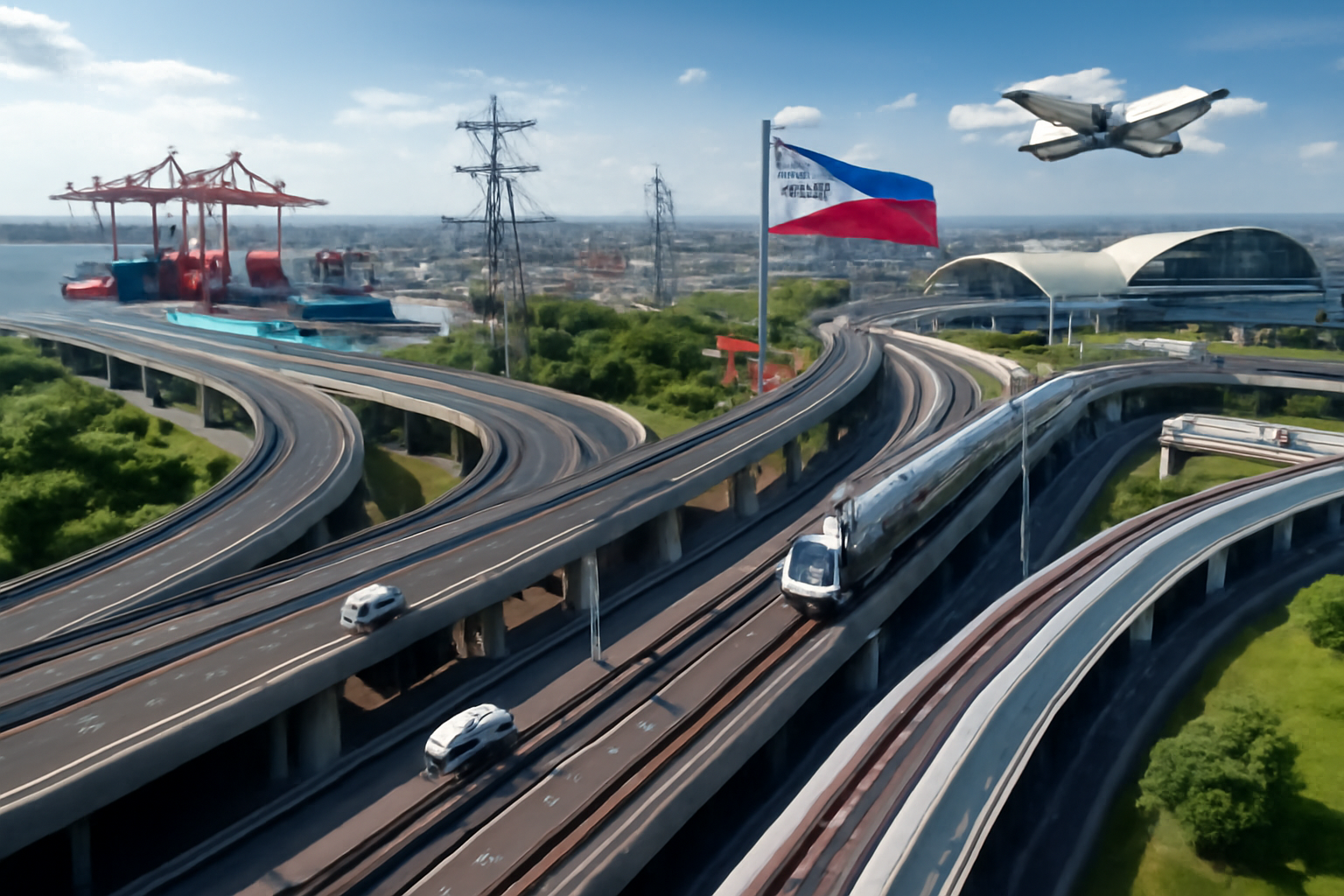
The Philippines, an archipelago consisting of over 7,000 islands, has long faced challenges in building a cohesive transportation network that connects its various regions. To address this, the government has launched ambitious infrastructure projects under the Build, Build, Build program to enhance connectivity and mobility, particularly focusing on improving roads, airports, seaports, and rail systems. These efforts are crucial for both economic growth and improving the quality of life for Filipinos.
One of the most significant improvements has been in the country’s road network. Road congestion, especially in Metro Manila, has long been a problem, leading to delays and increased transportation costs. To combat this, the government has constructed and expanded expressways, bridges, and highways, allowing for faster travel times. A standout project is the North Luzon Expressway (NLEX) and South Luzon Expressway (SLEX) connector roads, which help ease traffic flow between different regions and support economic exchanges.
The Philippine government has also turned its attention to upgrading its airports and seaports, which play a vital role in both domestic and international trade. For example, Ninoy Aquino International Airport (NAIA) is undergoing modernization to accommodate rising passenger numbers and improve service quality. In addition, regional airports such as those in Davao, Bacolod, and Iloilo have been expanded, making air travel more accessible and promoting regional economic growth.
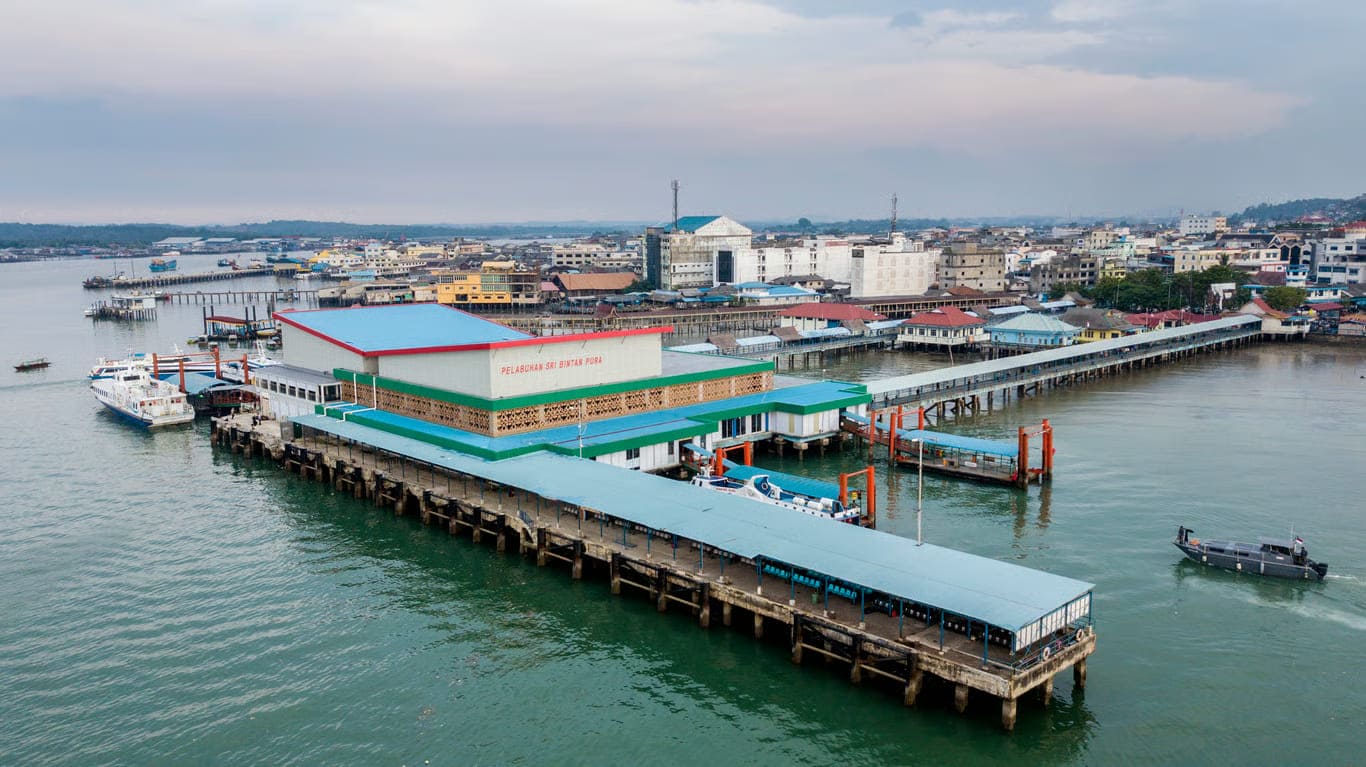
Furthermore, the development of seaports across the country is improving the transportation of goods, particularly to remote areas. Ports such as Batangas Port and the Port of Cebu are undergoing major upgrades, enhancing their capacity to handle larger vessels and increase trade efficiency. The expansion of these ports is vital for the growth of sectors like manufacturing, agriculture, and tourism, and for connecting more remote regions to the rest of the nation and the global market.
Railway infrastructure has also been a priority in addressing the Philippines’ mobility challenges. In Metro Manila, the construction of the Metro Manila Subway, a first of its kind, is expected to reduce traffic congestion significantly. Once completed, the subway will connect various business hubs and residential areas, offering a more efficient mode of transportation for millions of commuters. Meanwhile, intercity rail projects such as the PNR South Long Haul and the North-South Commuter Railway are set to improve travel times between Metro Manila and neighboring provinces, thereby promoting greater regional integration.
Alongside these transportation projects, there is also a push to improve the country’s energy and digital infrastructure. The availability of reliable energy is essential for the smooth operation of transportation systems, while enhanced digital connectivity allows for better communication and information sharing. Initiatives to expand internet access, particularly in rural areas, will not only help businesses grow but also improve access to education, healthcare, and government services.
Despite the positive impact of these infrastructure projects, the Philippines faces some ongoing challenges. Heavy traffic remains a significant issue in Metro Manila, and while the government has made strides in improving traffic flow, the demand for transportation infrastructure continues to outstrip supply. Natural disasters, such as typhoons and earthquakes, also present risks to ongoing and future infrastructure projects, making resilience a key focus of new developments.
In the future, the continued investment in infrastructure will help create a more connected, efficient, and resilient Philippines. As the country builds on these improvements, it will foster a more dynamic economy, better social integration, and an enhanced quality of life for its citizens.