Editor Team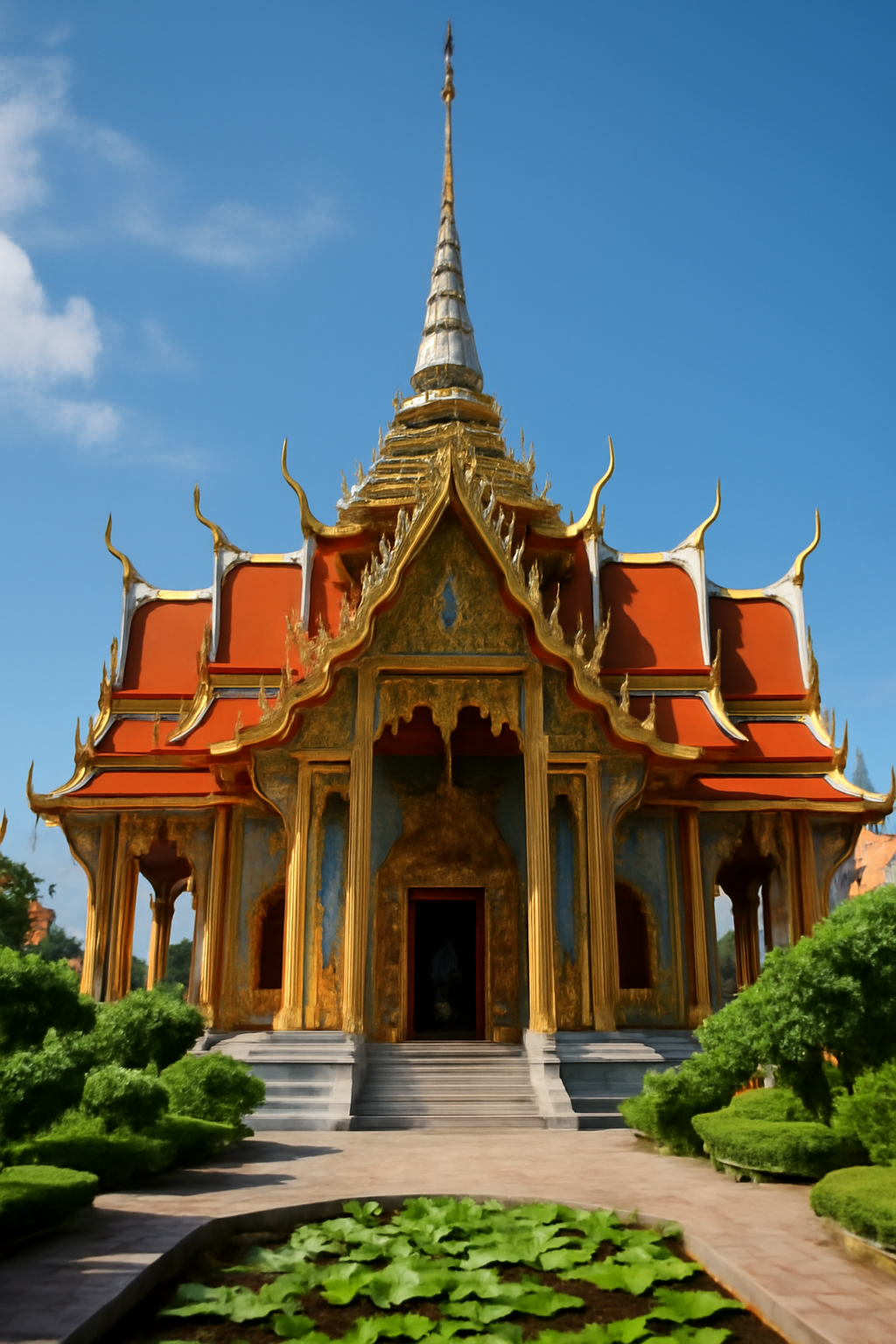
The architecture of temples in Thailand is deeply intertwined with the nation’s Buddhist heritage. These awe-inspiring structures are not only places of worship but also act as a reflection of the spiritual practices, cultural values, and historical evolution of Thailand. The intricate designs, vibrant colors, and symbolic elements of these temples make them a unique feature of Thai culture, offering visitors a glimpse into the heart of the nation’s religious and artistic traditions.
A key characteristic of Thai temples is the towering central spire, or prang, which symbolizes the sacred Mount Meru, the axis of the universe in Buddhist cosmology. The spire rises high above the temple complex, often adorned with gold leaf, intricate sculptures, and mosaic tiles that create an ethereal effect. The central spire is not only a visual focal point but also serves to represent the spiritual journey toward enlightenment. The higher one ascends, the closer they are to the divine, symbolizing the ascent to Nirvana.
The vihara, or the main hall of the temple, is typically the most significant structure on the temple grounds. Inside, you’ll often find beautifully sculpted Buddha statues, with each image portraying a different aspect of the Buddha’s teachings and life. The walls of the vihara are frequently covered in murals depicting scenes from the life of the Buddha, such as his enlightenment, his teachings, and his journey to Nirvana. These murals are not just decorative but also serve as a form of visual storytelling, guiding worshippers through key moments in Buddhist history.
The roofs of Thai temples are another striking feature. Often, the roofs are designed with multiple tiers, their graceful curves resembling the petals of a lotus flower. The lotus, a symbol of purity and spiritual awakening in Buddhism, is represented through the temple’s roof design. The sloping roofs help protect the temple from rain, while also adding to its visual appeal. In addition, the roofs are often decorated with intricate carvings, gilded accents, and statues of mythical creatures, such as Naga serpents, which are believed to have protective powers.
The temples’ overall design is meticulously planned to create a space that fosters spiritual reflection. The layout of the temple complex usually includes a peaceful courtyard, surrounded by walls that symbolize the boundaries between the mundane and the sacred. In many temples, there are beautifully landscaped gardens with lotus ponds, creating a serene environment where visitors can engage in meditation and contemplation.
In terms of construction materials, Thai temples often feature wood, brick, stone, and gold leaf. The use of gold is particularly significant, as it symbolizes purity, enlightenment, and the divine light of Buddha’s teachings. Gold-leafed Buddha statues, for instance, are a common sight in many temples, and visitors are encouraged to make offerings of gold leaf as a sign of respect and devotion.
Overall, the architecture of Thai temples is a stunning blend of form and function. Every element, from the grand spires to the serene courtyards, is designed to elevate the worship experience and provide a tangible connection to the divine. These temples stand as lasting symbols of Thailand’s cultural and religious heritage, inspiring awe and spiritual contemplation in all who visit.