Editor Team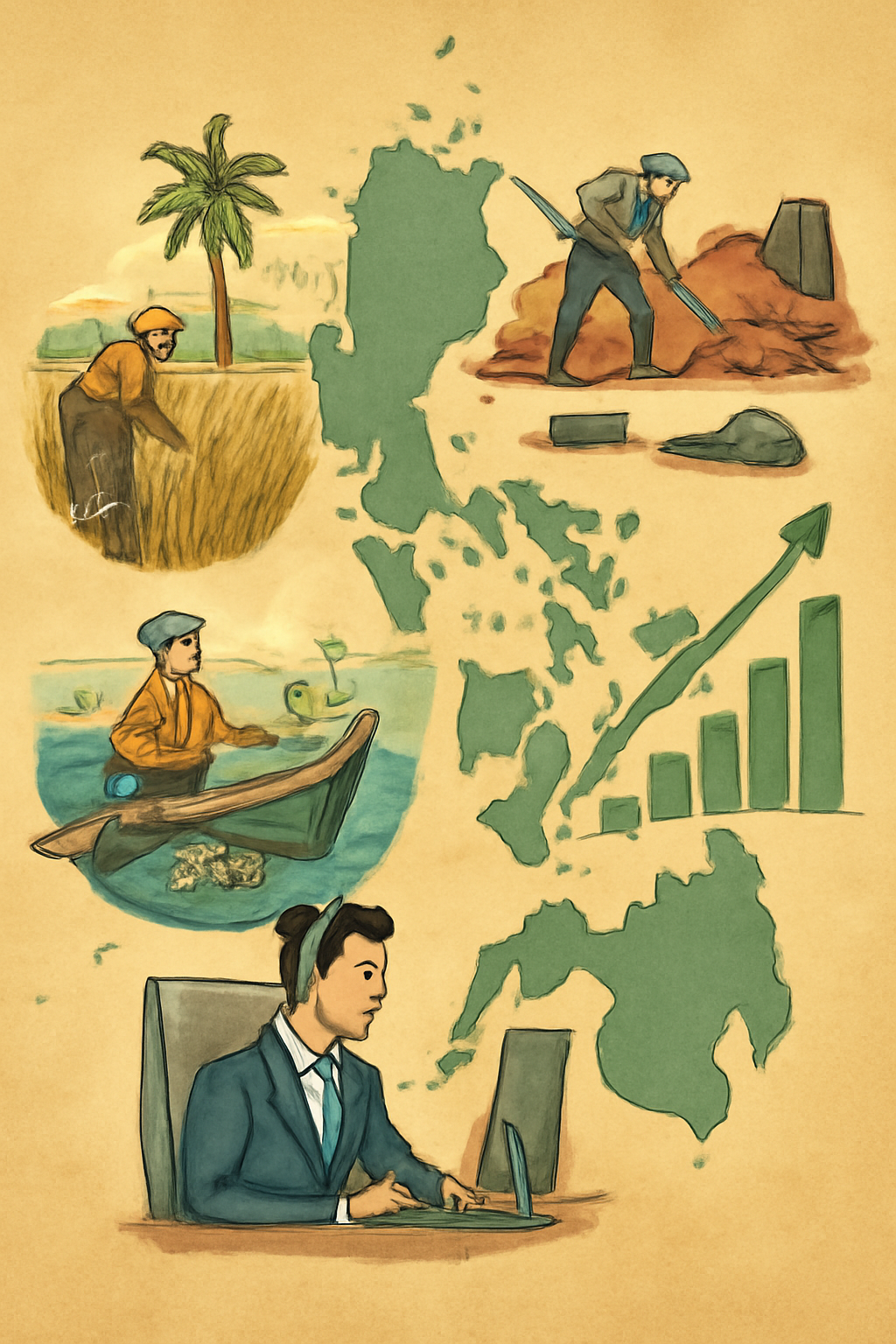
The Philippine economy has witnessed remarkable growth in recent years, largely driven by the country’s natural resources. Positioned strategically in Southeast Asia, the Philippines is blessed with an abundance of raw materials, a favorable climate, and a vast coastline that all contribute to its economic development. In this article, we’ll delve into the role of natural resources in shaping the Philippine economy and explore how these resources are contributing to the nation’s growth.
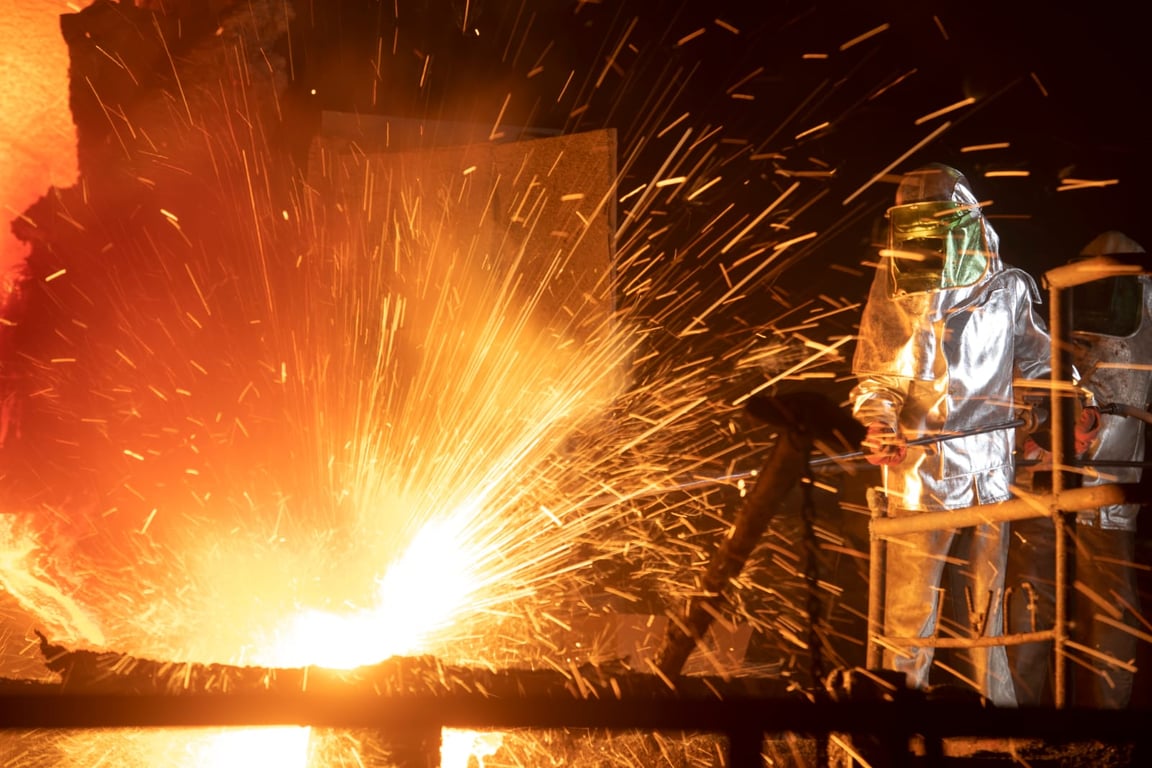
The Philippines’ mineral resources are among the most valuable assets of the nation. It is home to rich deposits of gold, copper, nickel, and other critical minerals. The mining industry in the Philippines has been a significant contributor to the national economy for years, attracting foreign investment and generating employment opportunities. The country’s nickel deposits, in particular, are highly sought after, with the Philippines being one of the top producers in the world. Despite the economic benefits, the mining industry faces challenges related to environmental degradation, illegal mining activities, and the need for regulation to ensure responsible resource management.
Beyond minerals, the agricultural sector in the Philippines plays a vital role in sustaining the economy. The Philippines is one of the top producers of coconut products, such as coconut oil, which are widely used around the world. In addition, the country is a major exporter of rice, bananas, and other tropical fruits. Agriculture continues to employ a significant portion of the population, especially in rural areas, and contributes to both domestic food production and export revenue. However, this sector is highly vulnerable to climate-related factors, such as typhoons, droughts, and rising temperatures, which have become more frequent and intense in recent years.
The Philippines is also well-known for its thriving fishery sector, due to its vast maritime zones and proximity to some of the world’s most bountiful fishing waters. Fisheries provide an important source of income and nutrition for millions of Filipinos. Seafood exports are a significant part of the country’s international trade, particularly to markets in the United States, Japan, and Europe. However, the sector faces serious challenges, including overfishing, habitat destruction, and the effects of climate change on marine life. Sustainable management of fish stocks and the protection of marine ecosystems are critical issues for the future of the industry.
The Philippines’ natural resources also extend to its forests, which house a wealth of biodiversity. These forests not only contribute to the country’s environmental health but also provide timber, fruits, and other resources. Logging has historically been a significant industry, though illegal logging and deforestation have raised concerns about long-term sustainability. In response, the government has implemented reforestation programs and sought to balance economic activities with ecological preservation.
While natural resources have driven much of the economic growth, other sectors, such as services, manufacturing, and infrastructure, have also contributed to the country’s expansion. The BPO industry, for instance, has become a major economic driver, with the Philippines now recognized as one of the world’s leading outsourcing destinations. The country’s skilled labor force, proficiency in English, and competitive labor costs make it an attractive choice for multinational companies.
Despite the progress, challenges remain. Poverty and inequality continue to be significant concerns, and the country must find ways to ensure that the benefits of economic growth reach all sectors of society. Efforts to diversify the economy, improve infrastructure, and promote innovation are critical to building a more resilient and inclusive economy.