Editor Team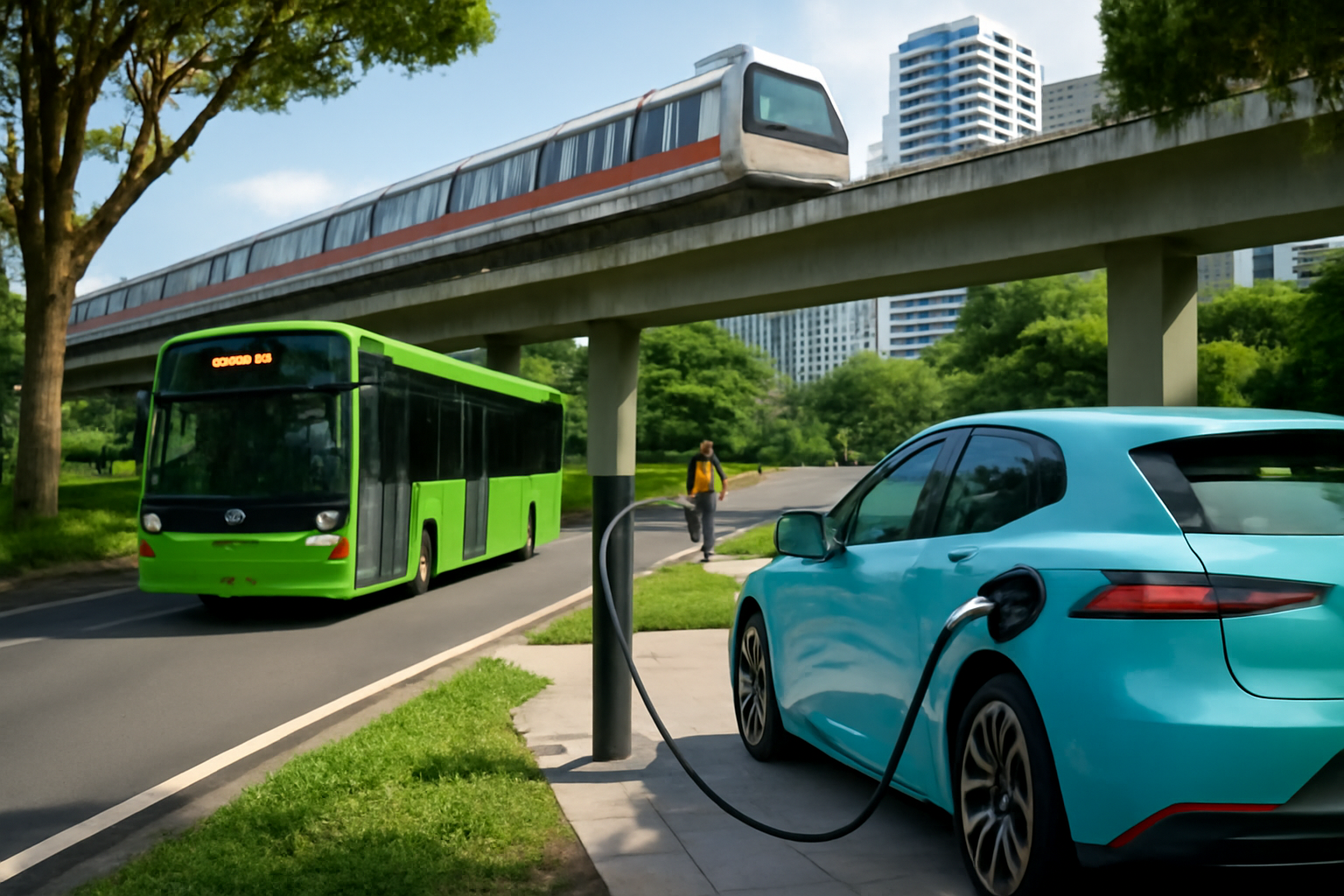
Singapore’s public transportation system is one of the world’s finest, setting a benchmark for efficiency, innovation, and sustainability. This comprehensive system includes buses, taxis, and the Mass Rapid Transit (MRT) network, which collectively form the backbone of the island’s mobility infrastructure. With an emphasis on reducing environmental impact while ensuring the smooth flow of traffic, Singapore’s approach to transportation is a model of modern urban planning.
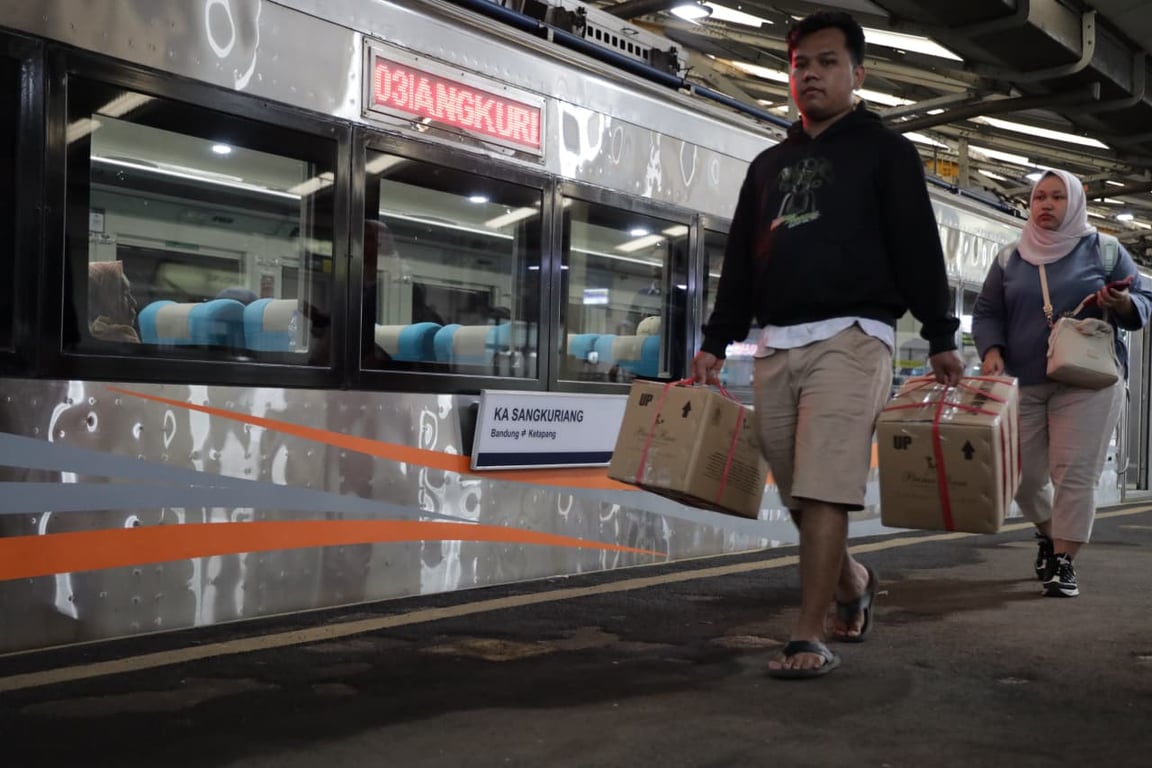
The MRT system is the primary mode of public transport in Singapore, serving both commuters and tourists with remarkable punctuality and frequency. The network spans the entire island, with interconnected routes that allow for easy transfers between different parts of the city. The integration of the bus system with the MRT allows for convenient, cost-effective travel, enhancing the accessibility of public transportation for Singaporeans.
Sustainability is a driving force behind Singapore’s transportation policies. In line with its vision to become a greener city, the government has made considerable investments in green technologies. A notable example is the push for electric vehicles (EVs), which are set to replace conventional vehicles over the next two decades. By 2040, Singapore plans to have a fully electric car fleet, a bold move aimed at reducing carbon emissions and improving air quality.
Electric buses are already being rolled out across the island as part of the transition to a more sustainable transportation system. These buses not only reduce emissions but also contribute to quieter streets, enhancing the overall quality of life in the city. Moreover, the government is actively expanding the network of EV charging stations to ensure that both private vehicles and public buses have easy access to charging infrastructure.
To combat congestion, Singapore has implemented a system known as Electronic Road Pricing (ERP). This system charges motorists based on the roads they travel and the time of day, ensuring that traffic is evenly distributed and congestion is reduced. This dynamic pricing model has helped alleviate traffic jams, especially in busy urban centers, by incentivizing drivers to use public transportation or avoid peak traffic hours.
Additionally, Singapore promotes sustainable travel choices by encouraging cycling and walking. The city features dedicated cycling paths, green corridors, and pedestrian-friendly streets, making it easier for residents to commute using eco-friendly modes of transport. The government’s efforts to make the city more walkable and bikeable are part of a broader strategy to reduce reliance on cars and minimize the environmental impact of transportation.
In summary, Singapore’s transportation system is a model of efficiency and sustainability. By combining cutting-edge technology, thoughtful urban planning, and strong government policies, the city has created an integrated, environmentally friendly transportation network that is both effective and accessible.



 vritimes