Editor Team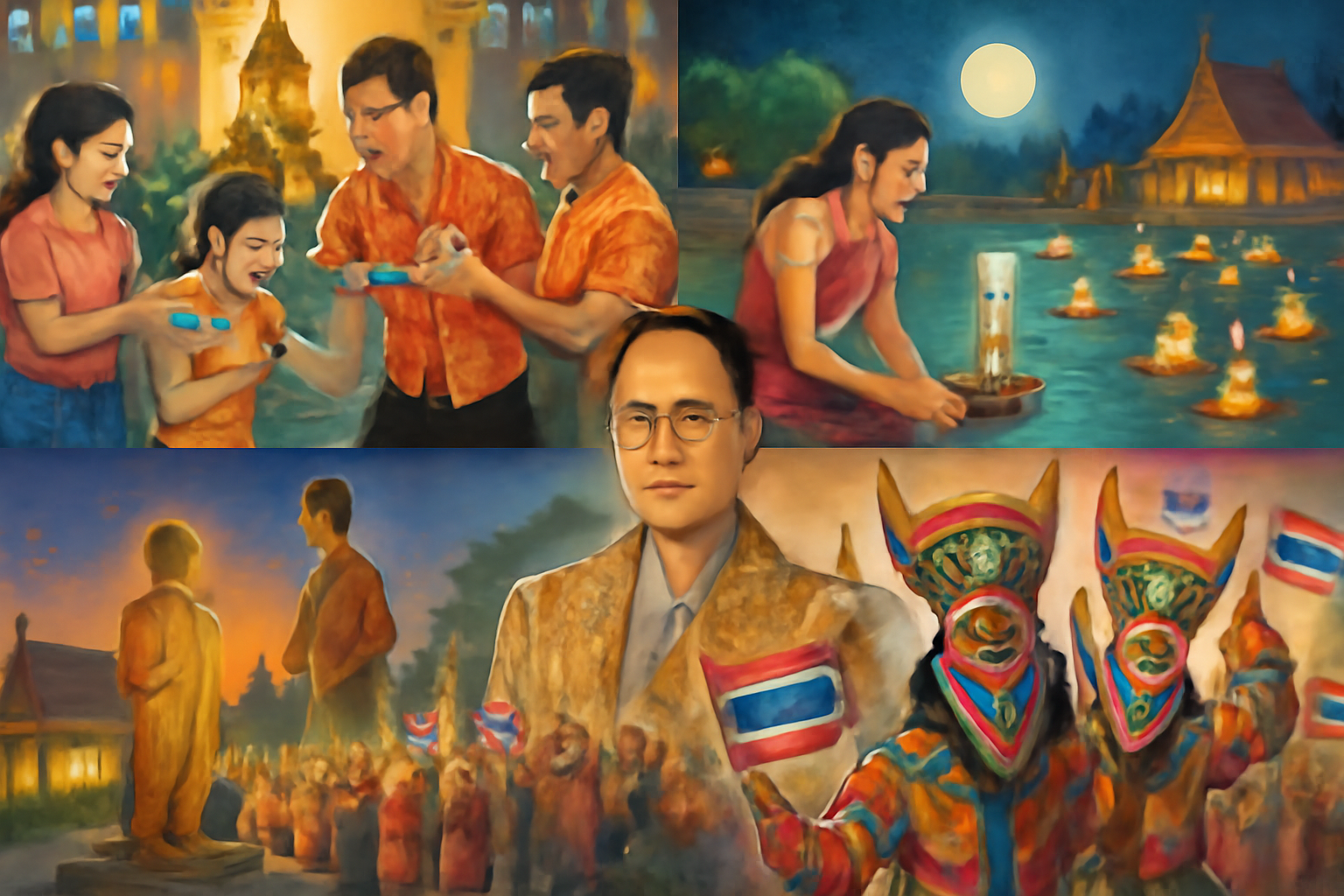
Thailand is a land of profound traditions and rich culture, and this is most clearly seen through its extravagant and colorful festivals. These celebrations are not just important moments in the Thai calendar—they embody the very soul of the nation. From sacred Buddhist rituals to vibrant community gatherings, Thailand’s festivals showcase its heritage and customs in grand style.
Perhaps the most well-known of all Thai festivals is Songkran, the Thai New Year, which takes place in mid-April. Traditionally, it is a time of spiritual cleansing and renewal. Families visit temples to pour water over Buddha statues and elders as a sign of respect, while young people engage in water fights on the streets, symbolizing the act of washing away misfortunes. This water festival has transformed into a nationwide celebration, with both locals and tourists coming together to participate in joyful water battles that stretch across Thailand.
Another festival that captivates both locals and visitors alike is Loy Krathong, held annually on the full moon of November. During Loy Krathong, people craft intricate krathongs—small, candle-lit boats made from banana leaves—and set them afloat in rivers and lakes. This act is symbolic of letting go of past mistakes and starting anew. The sight of thousands of floating krathongs lighting up the water creates an enchanting atmosphere that is both beautiful and meditative.
For those interested in Thailand’s Buddhist culture, Visakha Bucha Day is an important celebration. This festival honors the life and teachings of Lord Buddha, marking the day of his birth, enlightenment, and death. Observed on the full moon in May, the day is dedicated to religious observance, with Buddhists visiting temples to meditate, offer incense, and participate in candlelit processions. It’s a time for reflection and spiritual renewal.
One of the most unique and visually stunning festivals in Thailand is Phi Ta Khon in the northeastern province of Loei. Also known as the Ghost Festival, Phi Ta Khon is a colorful celebration that combines both traditional Buddhist beliefs and local legends. The festival is best known for its elaborate ghost masks and costumes, which participants wear while dancing, singing, and parading through the streets. This lively event is rooted in the belief that spirits return to the living during this time, and locals celebrate their presence with playful festivities.
Lastly, King Bhumibol’s Birthday is a deeply respectful and emotional festival for the Thai people. The anniversary of the birth of the beloved King Bhumibol Adulyadej on December 5th is marked by national ceremonies and celebrations, where the nation expresses its deep gratitude and respect for the King’s contributions to the country. Thai people gather in large numbers to honor their monarch through parades, royal portraits, and various cultural performances.
Thailand’s festivals are much more than just moments of joy—they are celebrations of heritage, spirituality, and community. They allow visitors to immerse themselves in the nation’s customs and learn more about the beliefs and values that define Thailand. From grand water fights to serene candlelit ceremonies, these festivals are a perfect reflection of the vibrant and diverse culture of Thailand.