Editor Team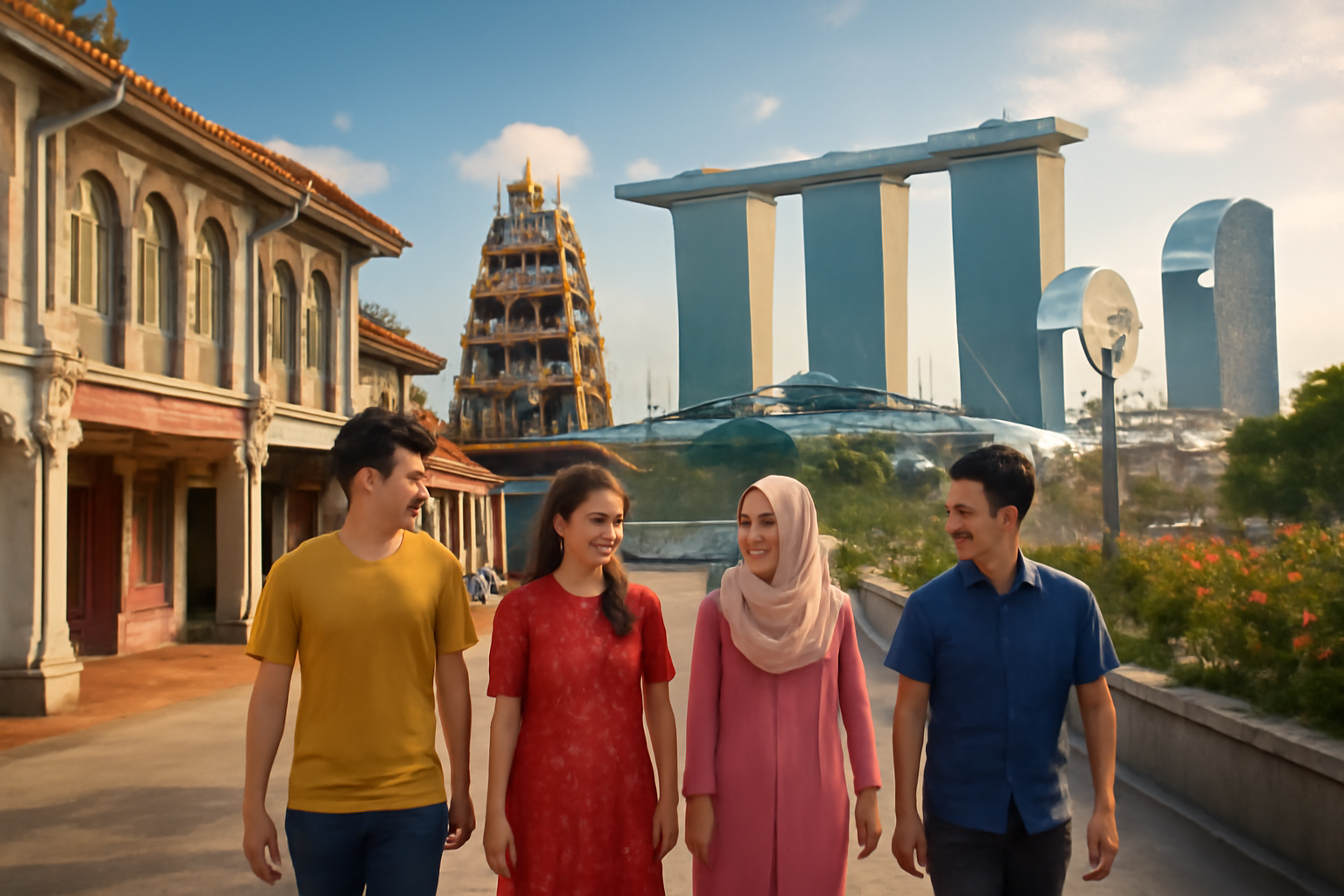
In the bustling metropolis of Singapore, a blend of deep-rooted traditions and modern developments coexist in a perfect synergy, shaping the social fabric of this remarkable city-state. Known for its economic prosperity and status as a global financial center, Singapore also places a high value on preserving its cultural heritage. This delicate balance between tradition and modernity has become the defining characteristic of social life in Singapore.
Cultural Diversity and Cohesion
Singapore’s cultural diversity is one of its defining features, with the city being home to a harmonious mix of ethnic groups, including the Chinese, Malays, Indians, and a significant expatriate community. These communities not only maintain their own distinct cultural practices but also share their traditions with others, creating a unique cultural exchange that is central to Singaporean life. The major festivals, such as the Chinese New Year, Hari Raya, Deepavali, and others, are celebrated nationwide, and they play a key role in bringing the diverse population together in shared celebrations.
The government has played an active role in ensuring that cultural integration is part of the fabric of Singaporean life. Policies promoting racial and religious tolerance have helped to foster an environment where different ethnic groups coexist peacefully. This integration is reflected in daily life, where cultural norms are respected and celebrated, and inter-ethnic friendships are common. For instance, many Singaporeans are multilingual, fluent in both English and their ethnic languages, facilitating communication across cultural boundaries.
Embracing Modernization
While cultural heritage is cherished, Singapore’s rapid modernization and economic success cannot be overlooked. The city-state is known for its futuristic skyline, which includes iconic buildings such as the Marina Bay Sands and the SkyPark at Orchard Road. Singapore is also home to some of the world’s most innovative infrastructure projects, including the Changi Airport and the Smart Nation initiative, which aims to harness technology for a better quality of life.
However, Singapore’s approach to modernization is unique in that it does not come at the expense of its heritage. The city’s urban development plans have always prioritized preserving historical landmarks, such as the preserved shophouses in Chinatown and the Malay Heritage Centre in Kampong Glam, while ensuring that modern structures complement rather than overshadow the old. This seamless blend of the new with the old is a key feature of Singapore’s social life, ensuring that history and progress are given equal importance.
Respecting Traditions in a Modern World
Social norms in Singapore are a blend of traditional values and modern ideals. Family remains a central aspect of life, with respect for elders and maintaining strong familial ties still being an essential part of the culture. At the same time, Singapore’s emphasis on innovation, education, and professional development allows individuals to forge their own paths in the modern world. Singaporeans are expected to balance their commitment to family and cultural traditions with their personal and professional aspirations, creating a dynamic society that is both rooted in the past and looking toward the future.
In the workplace, Singaporeans exhibit a unique work ethic, characterized by diligence, efficiency, and a strong sense of responsibility. This work ethic is informed by traditional Confucian values, which prioritize discipline, respect, and self-reliance, yet it is also shaped by the demands of a competitive global economy.
A Balanced Way of Life
The social life in Singapore is a testament to the ability to maintain a balance between traditional values and modern development. Singaporeans enjoy a lifestyle where they can proudly celebrate their ethnic festivals, while also embracing the latest technological advancements and urban developments. The city’s social cohesion and progress have allowed it to become a global city while retaining its cultural authenticity.
In conclusion, the social fabric of Singapore is a reflection of its successful balance between maintaining cultural traditions and embracing modern innovation. This harmonious coexistence not only defines Singapore’s unique identity but also contributes to its position as a global leader in both cultural and economic spheres.

 vritimes