Editor Team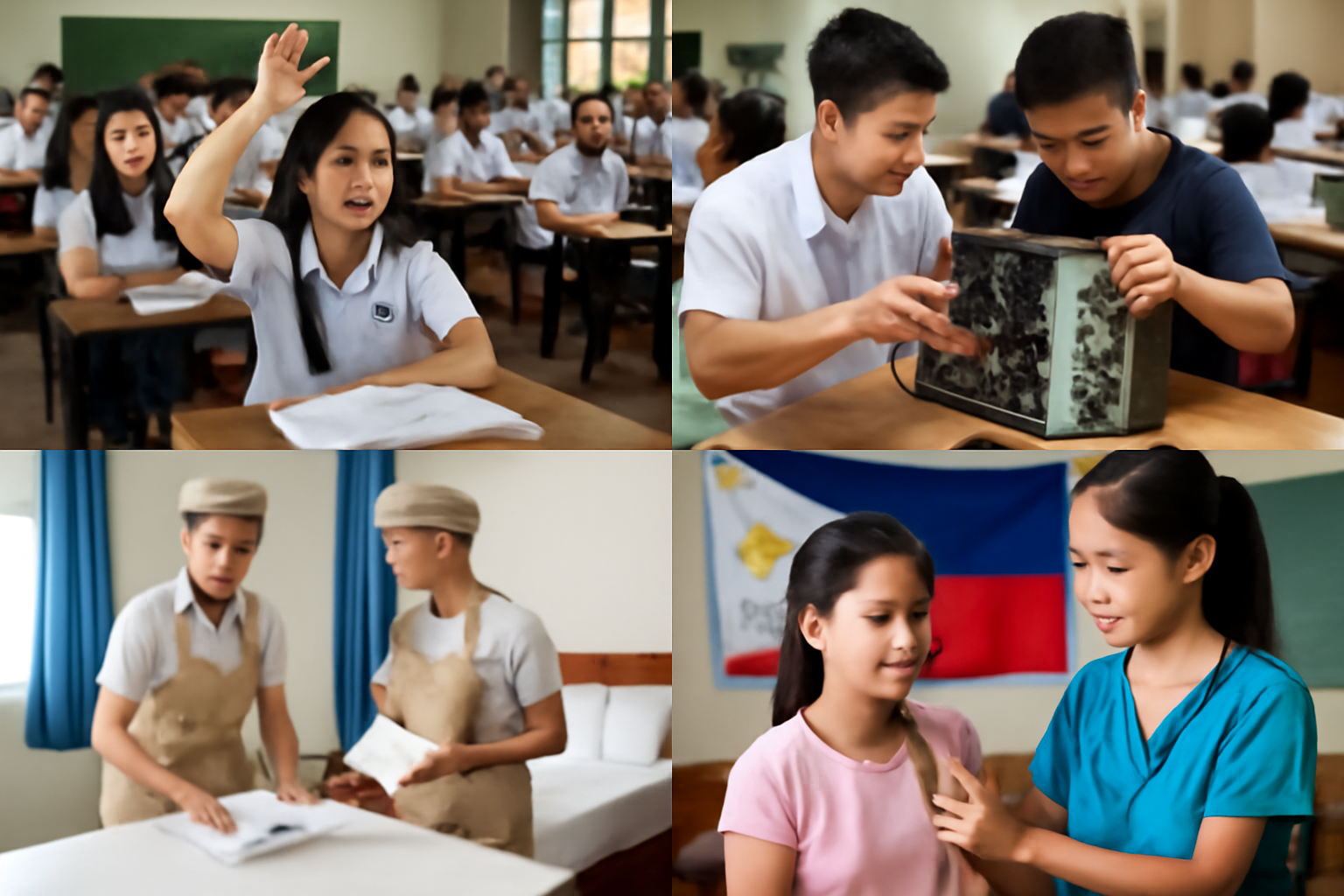
In the context of global competition, the education system in the Philippines is evolving to ensure that future generations are well-equipped to compete in both local and international job markets. By adapting to the changing demands of industries and incorporating 21st-century skills into curricula, the country aims to cultivate a workforce that is skilled, innovative, and resilient.
The K-12 education reform introduced in 2013 significantly altered the landscape of education in the Philippines. Previously, the country followed a 10-year basic education cycle, which was deemed insufficient in preparing students for higher education and employment. With the new 12-year system, students now complete kindergarten, six years of elementary school, four years of junior high school, and two years of senior high school. This extension provides students with additional time to gain proficiency in core academic subjects and develop specialized skills relevant to the workforce.
One key feature of the K-12 program is its emphasis on career readiness. Senior high school students are given the opportunity to choose from various tracks that include academic, technical-vocational, and sports-oriented pathways. This diversity allows students to pursue their interests and talents while also gaining practical skills that can lead to direct employment or further academic studies.
Moreover, the rise of digital education has had a profound impact on Philippine schools. As more schools integrate digital tools and e-learning platforms, students are exposed to a variety of resources that enhance their learning experience. These technological advancements help cultivate skills such as digital literacy, communication, and collaboration, which are increasingly demanded in modern workplaces.
However, challenges remain in ensuring that education is accessible and equitable. While urban areas often have more advanced educational resources, rural and remote areas continue to struggle with limited access to quality learning environments. The Philippine government and local stakeholders are working to address these gaps by implementing policies aimed at decentralizing education and improving the infrastructure in underserved regions.
The Philippines’ focus on education and workforce development has the potential to create a generation of young professionals capable of thriving in a competitive global economy. By focusing on both academic and practical skill-building, the nation is preparing its youth to meet the demands of industries such as information technology, healthcare, engineering, and manufacturing.