Editor Team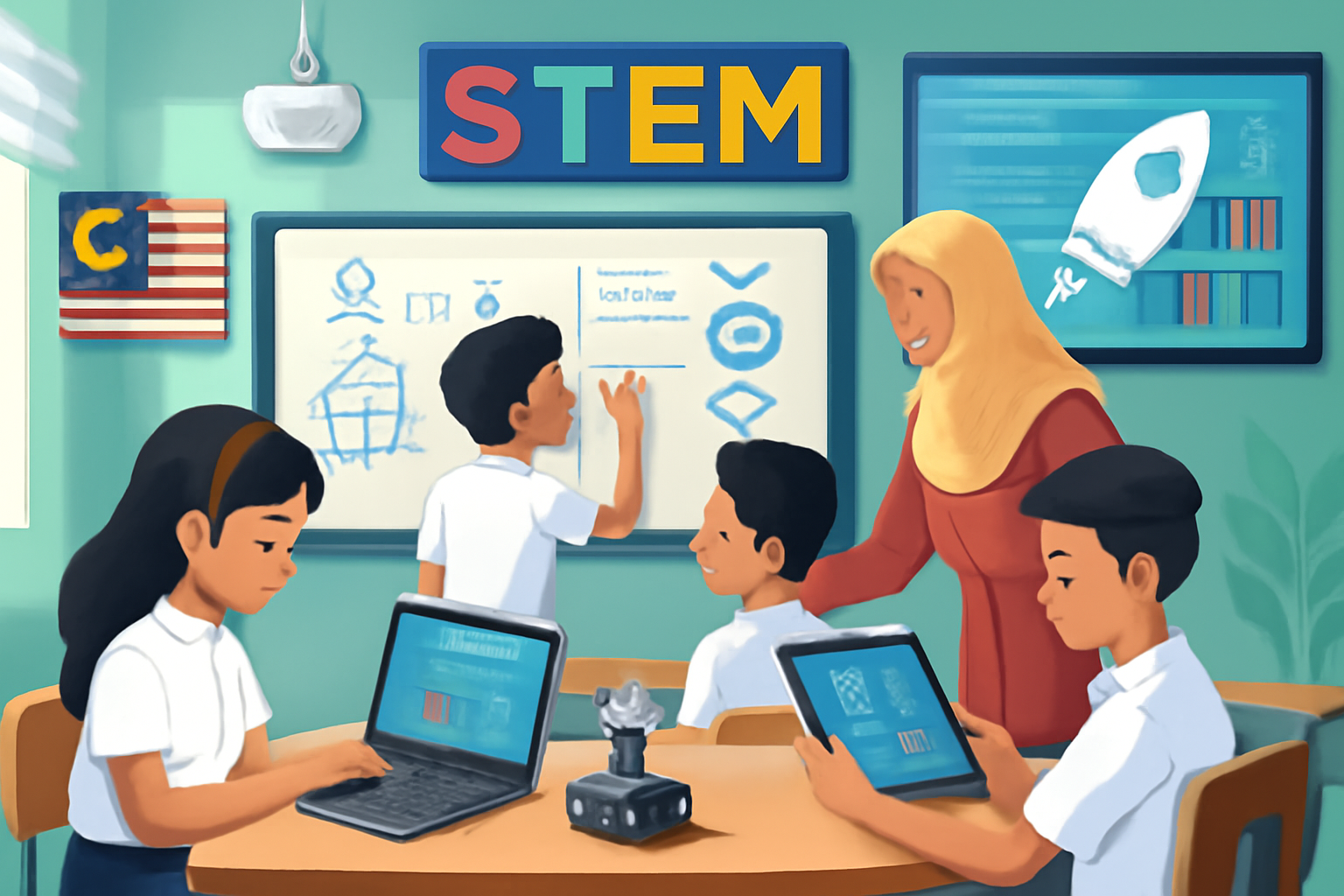
Malaysia’s education system is undergoing a transformation to meet the demands of the modern world. With technological advancements and global challenges reshaping education, the Malaysian government is introducing innovations aimed at improving both the quality and accessibility of education for all students.
Overview of the Education System
The Malaysian education system comprises four main stages: preschool, primary, secondary, and tertiary education. The system is built upon a national curriculum that is designed to cater to the diverse needs of students, ensuring that all individuals, regardless of their background, have access to quality education. The medium of instruction is primarily Bahasa Malaysia, but English and vernacular languages such as Tamil and Mandarin are also taught in various regions to promote bilingualism and multiculturalism.
The Role of Technology in Education
A major area of innovation in Malaysia’s education system is the integration of technology into classrooms. The Malaysian government recognizes the importance of preparing students for the digital age, where technology is crucial for success in almost every field. One of the most notable projects is the “1BestariNet” initiative, which aims to connect all schools in Malaysia to the internet, thereby allowing students and teachers to benefit from online resources, e-learning, and digital tools.
In addition, Malaysia’s “Smart Schools” program is a significant initiative designed to incorporate ICT (Information and Communication Technology) into the curriculum. This program allows schools to use digital whiteboards, online learning platforms, and virtual classrooms to enhance teaching and learning. These innovations provide students with opportunities for more interactive learning, promoting collaboration and critical thinking skills.
The Malaysia Education Blueprint (2013-2025)
The Malaysia Education Blueprint, launched in 2013, is a roadmap for the transformation of the country’s education system. It outlines strategies for improving educational outcomes and ensuring that all students are equipped with the skills needed to thrive in the modern workforce. Key initiatives under the blueprint include improving teacher quality, developing a more inclusive curriculum, and enhancing the use of technology in the classroom.
Reforming Teacher Education
One of the primary focuses of the Malaysia Education Blueprint is teacher training. The government has recognized that the quality of teaching is a crucial determinant of student outcomes. Therefore, various programs have been introduced to enhance teacher training, including professional development courses that focus on digital literacy, instructional design, and the use of educational technology. Teachers are encouraged to incorporate innovative teaching strategies into their classrooms to foster creativity and critical thinking among students.
Challenges in Innovation
Despite these advancements, there are still several challenges to the widespread adoption of educational innovations in Malaysia. One of the key barriers is the digital divide. While urban schools are generally well-equipped with technology and high-speed internet access, many rural schools still struggle with inadequate infrastructure. This creates an inequality in educational opportunities for students in different regions, limiting their ability to benefit from the same technological advancements as their peers in more developed areas.
Conclusion
Malaysia’s education system has made significant strides in integrating technology and innovation into classrooms. Initiatives like 1BestariNet and the Smart Schools program are helping to bridge the gap between traditional and modern education. However, challenges remain in addressing the digital divide and ensuring that all students, regardless of their location, can access the full benefits of these innovations. Through continued reforms and a focus on teacher development, Malaysia is moving toward a more inclusive and technologically advanced education system.