Editor Team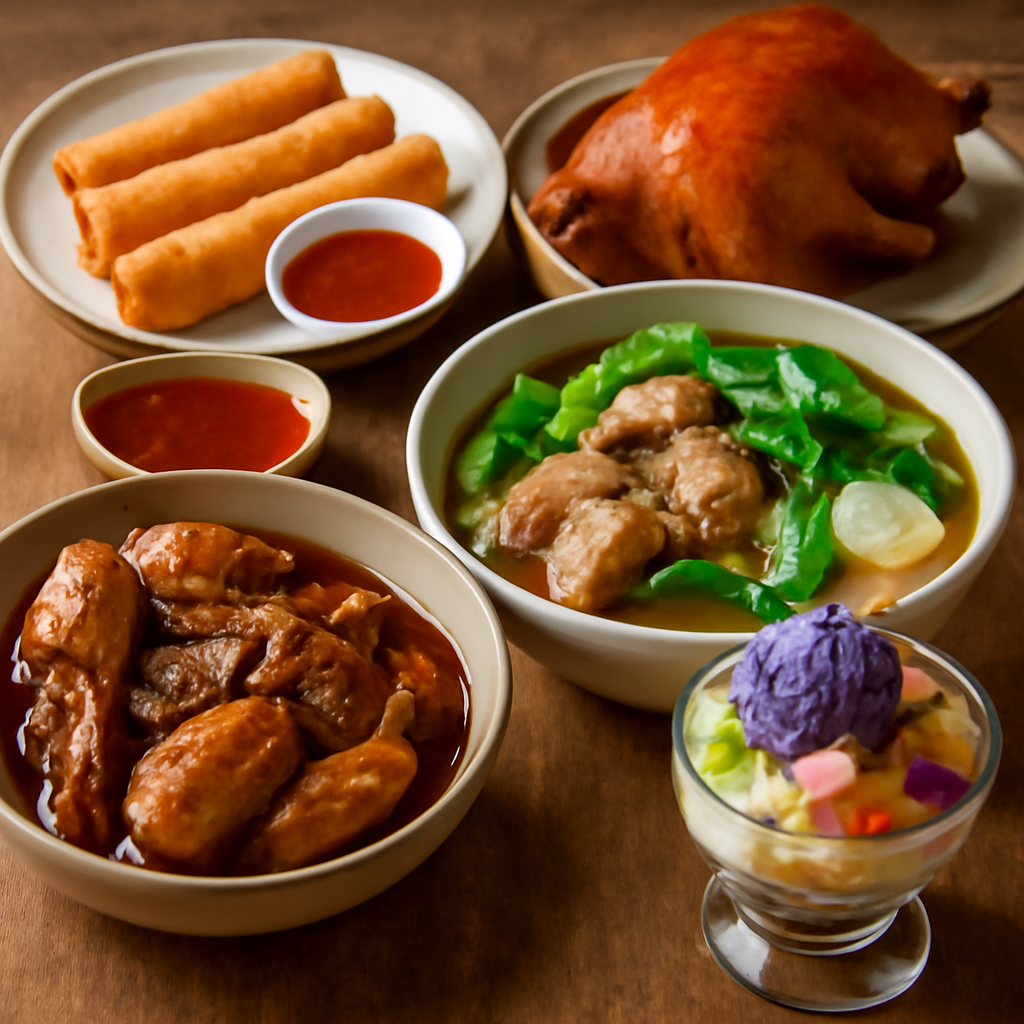
The Philippines is a country known for its natural beauty and rich cultural diversity, which is also reflected in its diverse and flavorful cuisine. Filipino dishes have been influenced by various countries, such as Spain, China, and America, creating a unique and delicious combination of flavors.
One of the most well-known dishes in the Philippines is Adobo. This dish typically consists of chicken or pork cooked in soy sauce, vinegar, garlic, and spices. The deep and savory flavors of Adobo come from the slow cooking process, which tenderizes the meat and allows it to absorb all the wonderful seasonings. Each family in the Philippines has its own version of Adobo, which is why this dish can vary depending on where you are in the country.
Sinigang is another popular Filipino dish. It is a sour soup, usually made with pork, fish, or shrimp, and flavored with tamarind, which gives it a distinctive tang. The dish is typically served with a variety of vegetables like water spinach, eggplant, and radish, adding both flavor and texture. Sinigang is a perfect dish for any occasion, offering a refreshing and comforting taste.
For a light snack, Lumpia is a great option. Lumpia consists of vegetables, meat, or shrimp wrapped in a thin crepe-like wrapper, which is then deep-fried to a crisp. Lumpia is often served with a sweet or sour dipping sauce, making it a delightful treat during celebrations or as an afternoon snack.
When it comes to special occasions, Lechon is always the star. Lechon is a whole pig, roasted slowly over an open flame until the skin is crispy and the meat is tender. It is typically served at weddings, large parties, or festivals, making it the ultimate symbol of celebration in Filipino culture.
For dessert, Halo-Halo is a beloved sweet treat. Made from crushed ice, beans, fruits, and agar-agar, and topped with a scoop of ice cream, this dessert is perfect for cooling off on a hot day. Halo-Halo combines a variety of flavors and textures, making it a fun and refreshing dessert that’s loved by many.
The diverse and flavorful nature of Filipino food represents the country’s rich history and culture. Each dish tells a story of the people and places that shaped the culinary landscape of the Philippines.