Editor Team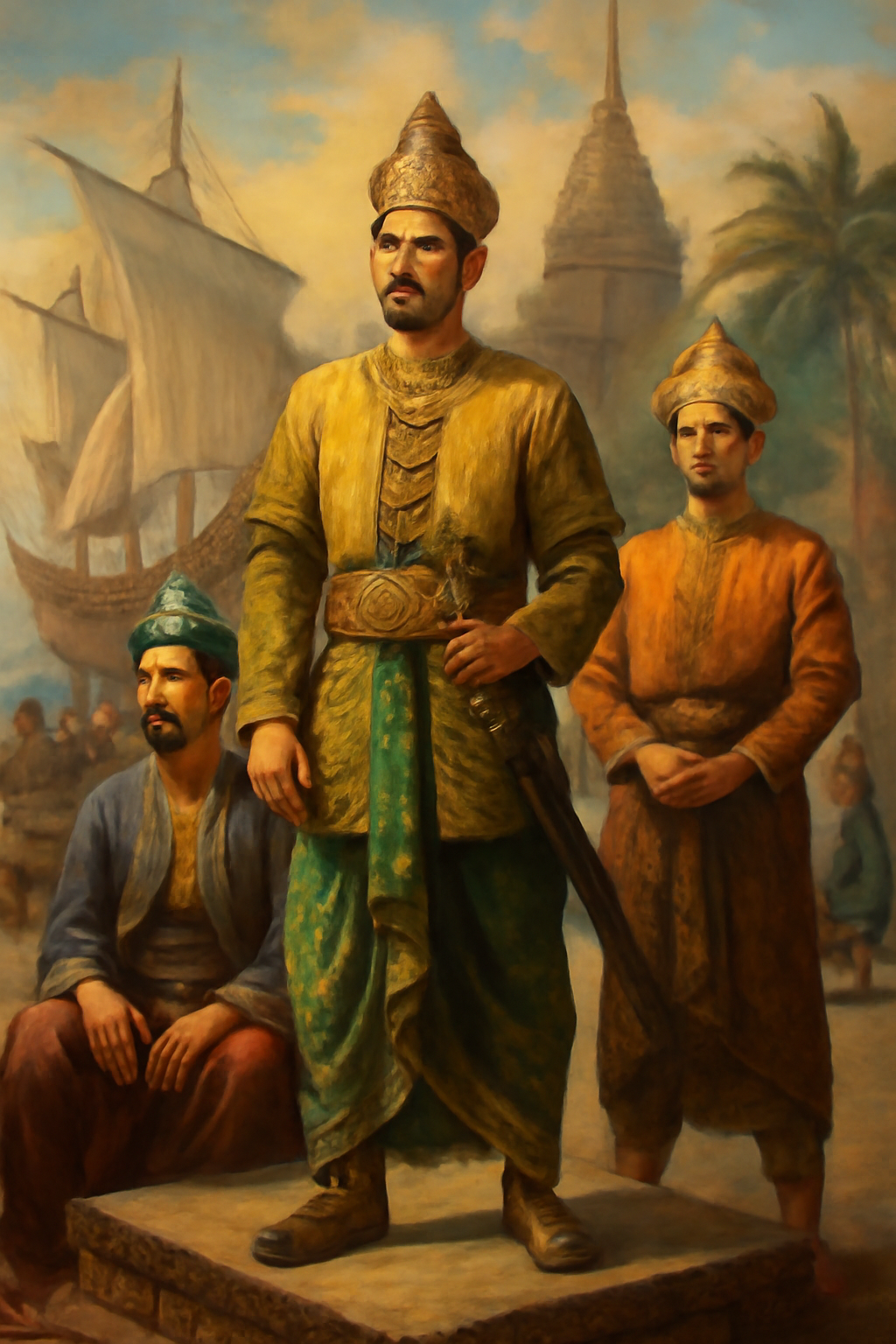
Malaysia is a country with a rich and diverse history that began with the Malay kingdoms ruling the region and culminated in its independence in 1957. This historical journey reflects the persistence of a nation that faced many challenges along the way.
The Glory of the Malay Kingdoms
The first significant Malay kingdom, Srivijaya, emerged in the 7th century and became a powerful force in Southeast Asia. Known for its maritime prowess, Srivijaya played a key role in international trade with India and China. In the 15th century, the Malacca Sultanate rose to prominence, becoming a major center of trade in the region and spreading Islam throughout Southeast Asia.
Colonialism and Its Influence
In the 16th century, following the fall of Malacca to the Portuguese, European colonization took hold of the region. The Dutch took control of Malacca in the 17th century, and by the 19th century, the British had established dominion over the Malay Peninsula. British colonial rule transformed Malaya’s economy through large-scale plantations and mining, which employed workers from India and China, significantly altering the social fabric of the country.
The Rise of Nationalism and the Struggle for Independence
In the mid-20th century, nationalist movements began to gain traction in Malaysia. Leaders like Tunku Abdul Rahman spearheaded efforts to attain independence from the British. The creation of the Federation of Malaya in 1948 marked a significant step toward self-governance, and finally, on August 31, 1957, Malaysia achieved independence, marking the end of British rule.
Conclusion
The history of Malaysia, from its Malay kingdom heritage to the fight for independence, is a narrative of perseverance and transformation. From powerful kingdoms to colonial oppression, Malaysia emerged as an independent and sovereign nation on August 31, 1957.