Editor Team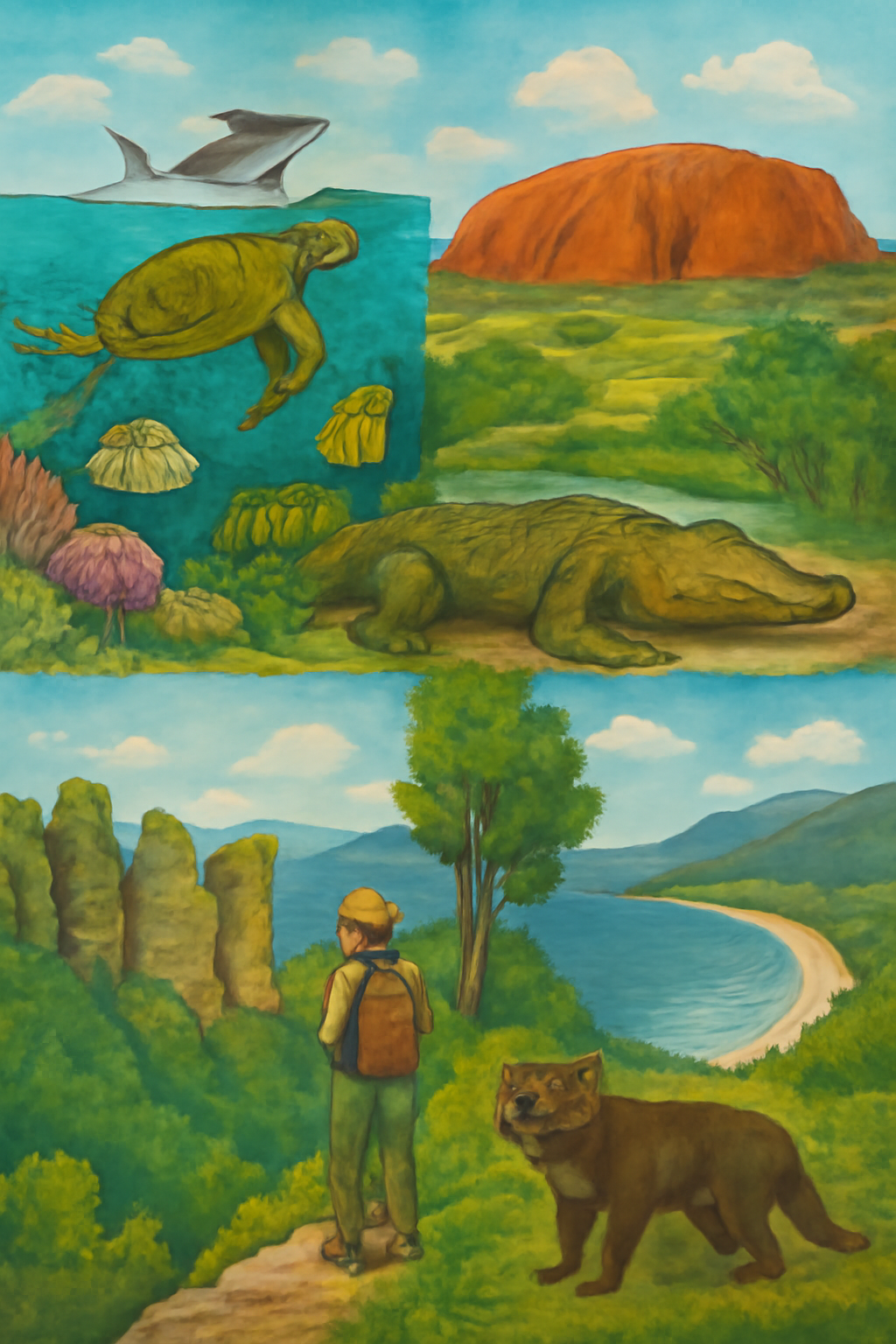
Uluru, also known as Ayers Rock, is one of Australia’s most iconic landmarks. Located in the Uluru-Kata Tjuta National Park in the Northern Territory, around 450 kilometers from Alice Springs, Uluru is an enormous rock formation that holds immense spiritual significance for the Anangu people, the Indigenous custodians of the land.
Uluru is not only famous for its size but also for the striking colors it displays throughout the day. The rock’s distinctive red hue becomes even more intense during sunrise and sunset, making it one of the most photographed landmarks in Australia. The changing colors of Uluru at these times offer a breathtaking sight and create a magical atmosphere.
Beyond its physical beauty, Uluru holds deep cultural and historical importance. For the Anangu people, Uluru is a sacred site, and the area is rich in Aboriginal history and legends. Several caves and rock art sites around the base of Uluru provide glimpses into the stories and traditions of the Anangu people. Visitors are encouraged to respect the cultural significance of Uluru by refraining from climbing the rock, as it is considered sacred.
Guided tours are very popular at Uluru, allowing visitors to learn about its geological history and the cultural stories behind it. These tours provide insight into the legends associated with the rock and the surrounding area, as well as the conservation efforts to protect Uluru and its cultural heritage.
Uluru is not just a massive rock; it is a symbol of the resilience and power of nature, and visiting it offers a chance to connect with the ancient spiritual and natural heritage of Australia.