Editor Team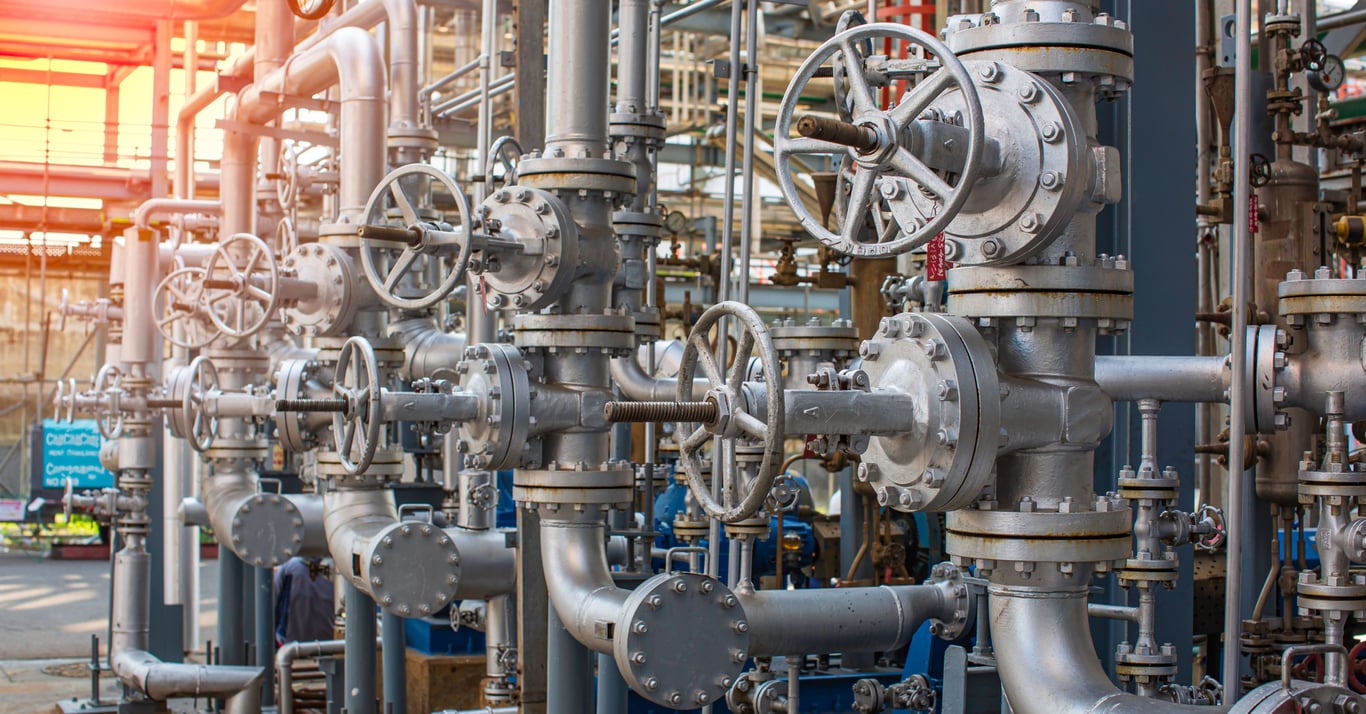
Kuala Lumpur, 30 July 2025 – Gain hands-on insight into heat exchanger design, troubleshooting, and performance. PetroSync’s training prepares you to solve complex thermal issues.
Shell & tube heat exchangers are the silent workhorses of many industrial processes. Reliable, efficient, and widely used across oil & gas, petrochemical, and power generation industries—until something goes wrong. And when it does, it’s not just equipment that suffers—your timeline, budget, and safety can be compromised too.
So, why do these issues keep happening? And more importantly, what can you do to stay one step ahead?
Unpacking the Complexity Behind Shell & Tube Failures
At first glance, a Shell & Tube Heat Exchanger may seem like a straightforward piece of equipment. But anyone who has spent time in the field knows that these systems are anything but simple.
With multiple variables—pressure, temperature, flow rates, and corrosive fluids—all interacting simultaneously, it only takes one imbalance to trigger a chain of problems. These include:
Thermal fatigue, where repeated heating and cooling cycles cause cracking over time.
Fouling, the gradual build-up of deposits that reduces heat transfer efficiency.
Tube vibration, especially in high-flow or high-pressure systems, leading to wear and tear.
Corrosion, often unpredictable due to varying process media and environmental factors.
Understanding the root cause of these issues often requires not just experience, but also in-depth technical knowledge.
What’s Really Happening Inside Your Heat Exchanger?
Let’s say you’ve just completed your turnaround. Everything’s back online. But within a few weeks, your exchanger is underperforming. The outlet temperature isn’t matching specs, and pressure drop is increasing.
Inside, fouling might be silently growing. Or perhaps a misalignment is causing flow-induced vibration. The signs are subtle at first, but left unchecked, they can spiral into full-blown failure.
Field inspections often reveal issues that could have been prevented at the design, operation, or even training level. In fact, studies show that over 60% of shell & tube exchanger failures are preventable with better monitoring and proper understanding of system behavior (ASME, 2023).
Lessons from the Field: Avoidable Mistakes and Their Costs
Imagine this: a major refinery faces an unexpected shutdown. The root cause? A tube bundle eroded from vibration due to unsupported spans—something that could’ve been caught during design review or prevented with damping solutions.
In another case, corrosion under insulation (CUI) on the shell side went unnoticed for years until a leak forced emergency maintenance, costing the plant millions in downtime.
These aren’t rare stories—they’re common across the industry. And more often than not, they share a common thread: lack of awareness, limited training, or outdated knowledge.
Why the Right Training Makes All the Difference
As engineers, inspectors, or operations managers, your decisions directly impact asset performance. But you can’t manage what you don’t fully understand. That’s where professional development comes in.
Joining a Shell & Tube Heat Exchanger training course is more than just ticking a box. It’s about:
Gaining insights from real-world case studies.
Learning how to diagnose problems before they escalate.
Understanding design, inspection, and maintenance best practices.
Networking with other professionals facing the same challenges.
At PetroSync, we bring together expert instructors with decades of experience in the field. Our training isn’t just theory—it’s practical, interactive, and designed to help you solve the exact issues we’ve discussed here.
Whether you’re trying to reduce unplanned shutdowns, extend asset life, or simply stay ahead of industry standards, investing in the right knowledge could be the most cost-effective decision you make this year.
Ready to take control of your exchanger problems?
Understanding common issues is the first step. But mastering how to prevent them—that’s where transformation happens. We invite you to join our next session and learn from the best in the industry.
Your plant will thank you. And so will your team.